2026.08.21
 News
News
Automotive cable ties are expected to secure wiring harnesses, hoses, and electrical components throughout years of vibration, temperature changes, and mechanical stress. A cable tie that breaks during installation not only interrupts assembly work but may also indicate issues related to material quality, mold design, molding parameters, or installation practices.
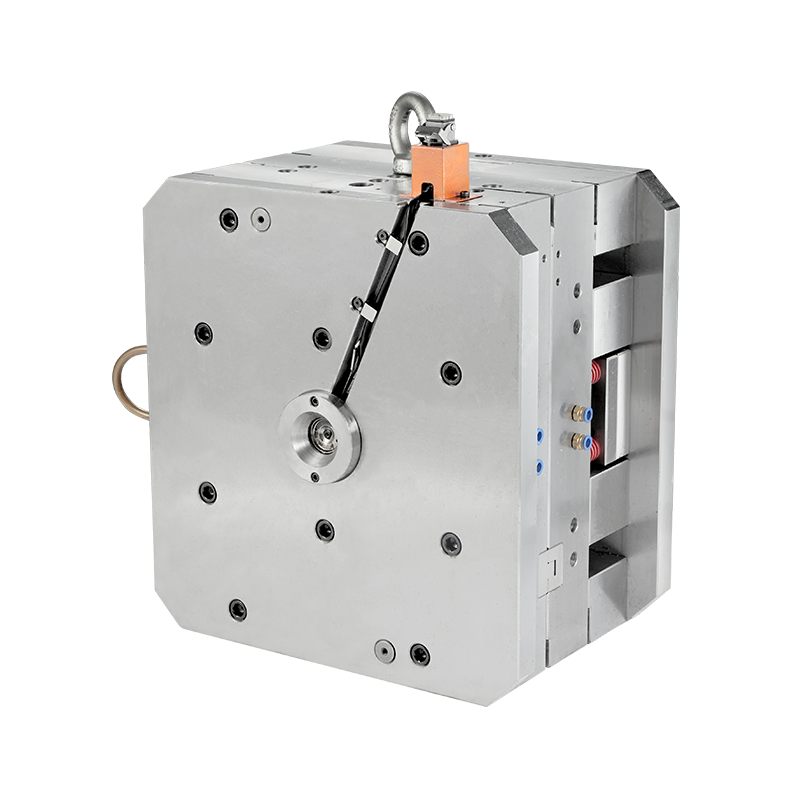
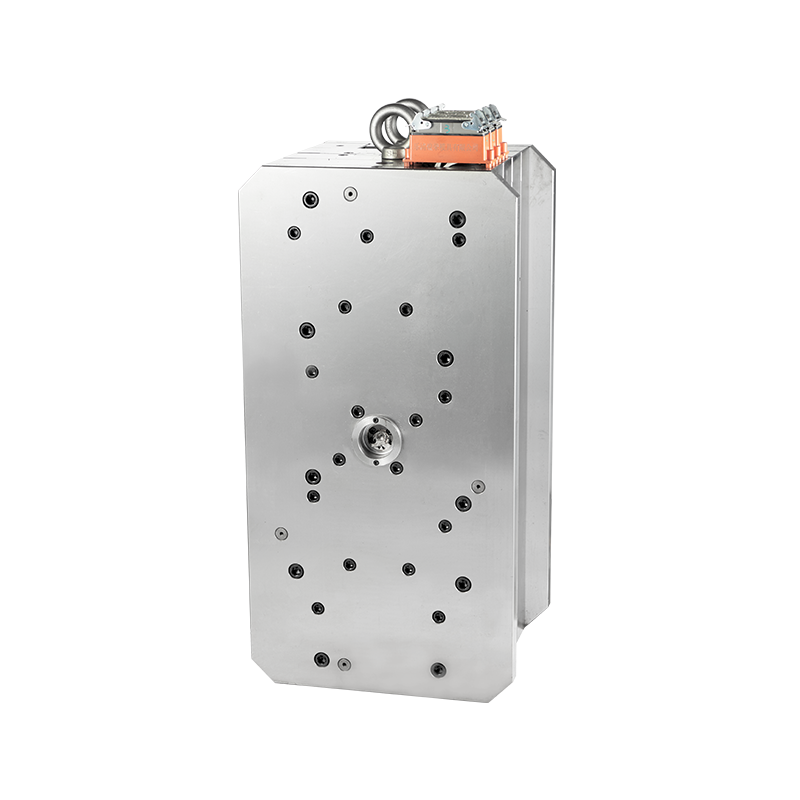
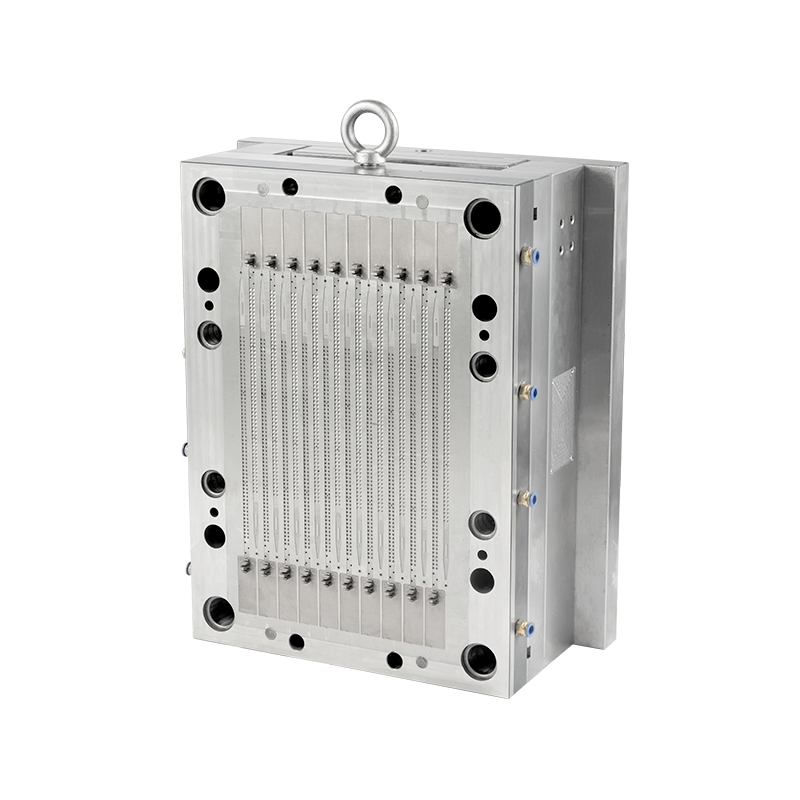
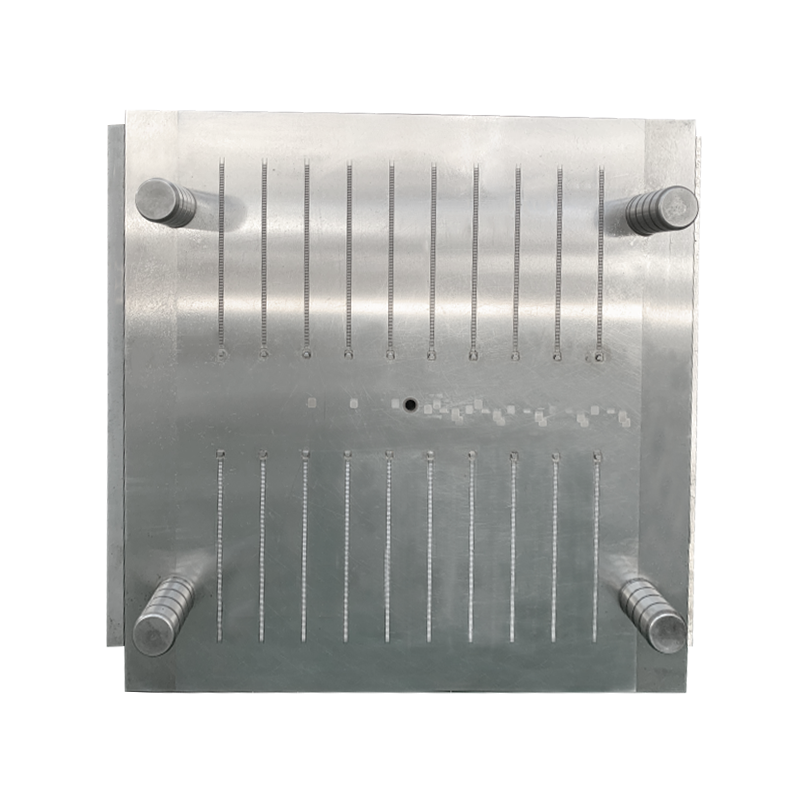
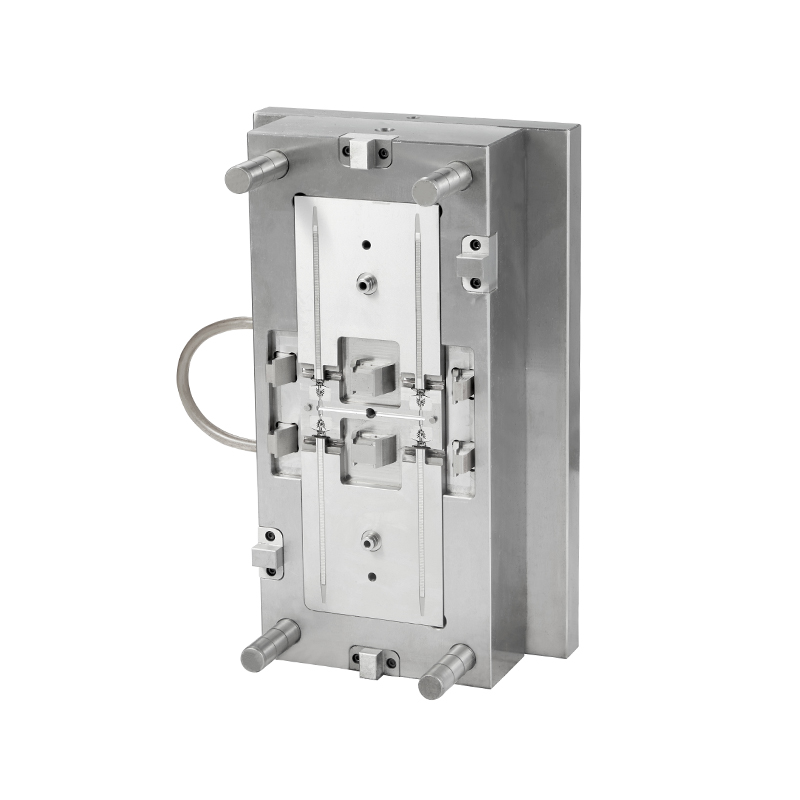
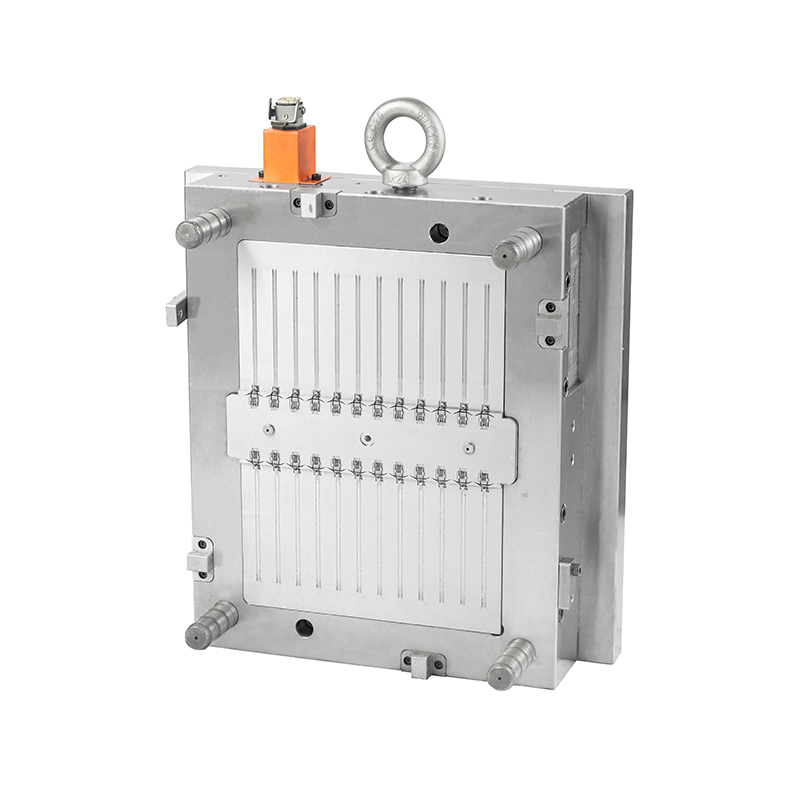
Many people assume that the resin alone determines cable tie strength. In reality, the manufacturing process has an equally important influence. The design accuracy of an Automotive Plastic Cable Tie Mold, together with molding conditions and post-processing, directly affects the mechanical performance of every finished cable tie.
A cable tie experiences its highest mechanical stress while being tightened. During this short period, the locking head, pawl, and strap teeth must withstand concentrated loading without cracking or excessive deformation. Industry guidance notes that installation is typically the point of maximum stress during the product's service life.
Typical failure locations include:
Automotive cable ties are commonly molded from Nylon 6/6 (PA66), a hygroscopic engineering plastic that naturally absorbs moisture from the surrounding environment.
Freshly molded cable ties contain relatively little moisture and therefore remain stiffer than conditioned products. Appropriate moisture conditioning restores flexibility and improves impact resistance before installation. Without this process, cable ties become noticeably more brittle and may fracture while tightening.
| Moisture Condition | Installation Performance |
| Properly conditioned | Better flexibility during tightening |
| Overly dry | Higher risk of cracking |
| Excessive moisture before molding | Possible resin degradation |
| Stable storage environment | Consistent mechanical properties |
The locking mechanism is the functional core of every cable tie. Small dimensional deviations inside the mold may reduce engagement between the pawl and strap teeth.
Critical molding features include:
Wear inside the mold may gradually alter these dimensions, producing locking components that no longer engage correctly. Critical cable tie features such as the pawl and locking teeth require tight dimensional control to maintain installation reliability.
Although nylon benefits from moisture after molding, excessive moisture before injection molding has the opposite effect.
Water remaining inside resin pellets at processing temperature causes hydrolysis, shortening polymer chains and reducing tensile strength.
Many PA66 materials are dried at approximately 80–90°C for 4–6 hours before molding to reduce moisture content to recommended levels. Proper drying helps preserve molecular weight and mechanical performance.
Mechanical strength depends not only on resin grade but also on how the material flows and cools inside the cavity.
Important process variables include:
Excessive melt temperature may degrade nylon, while inadequate packing may leave tiny internal voids that become weak points during installation. Studies also indicate that cooling consistency influences tensile properties and dimensional stability.
Automotive cable ties frequently contain reinforced nylon grades designed for demanding environments.
The gate controls how molten resin enters the cavity, influencing molecular orientation and fiber distribution.
Poor gate location or unsuitable gate dimensions may create:
Well-designed runner and gate systems help maintain balanced filling while preserving structural integrity throughout the cable tie.
Even high-quality cable ties may lose flexibility after prolonged exposure to extremely dry or cold environments.
Several storage recommendations help maintain installation performance:
Industry guidance explains that dry environments reduce flexibility, while moisture conditioning improves impact resistance during tightening.
Manual installation can introduce inconsistent tension from one operator to another.
| Installation Practice | Possible Result |
| Excessive tightening force | Premature strap failure |
| Controlled tension tool | More consistent tightening |
| Misaligned installation angle | Stress concentration near the head |
| Damaged installation tool | Surface scratches and localized loading |
Using calibrated tensioning tools helps maintain repeatable installation force while reducing unnecessary mechanical stress on the locking mechanism.
Reliable automotive cable ties are commonly evaluated through multiple inspections before packaging.
These inspections help identify molding variations before products enter vehicle assembly lines.
The durability of automotive cable ties begins long before installation. Mold accuracy, runner balance, gate geometry, resin preparation, process control, conditioning, and storage all contribute to the final mechanical performance. A precisely manufactured automotive plastic cable tie mold provides consistent cavity dimensions and stable filling behavior, allowing every cable tie to achieve reliable locking performance and dependable installation strength across demanding automotive applications.
Recommended Products



 English
 中文简体
中文简体 русский