2026.08.28
 News
News
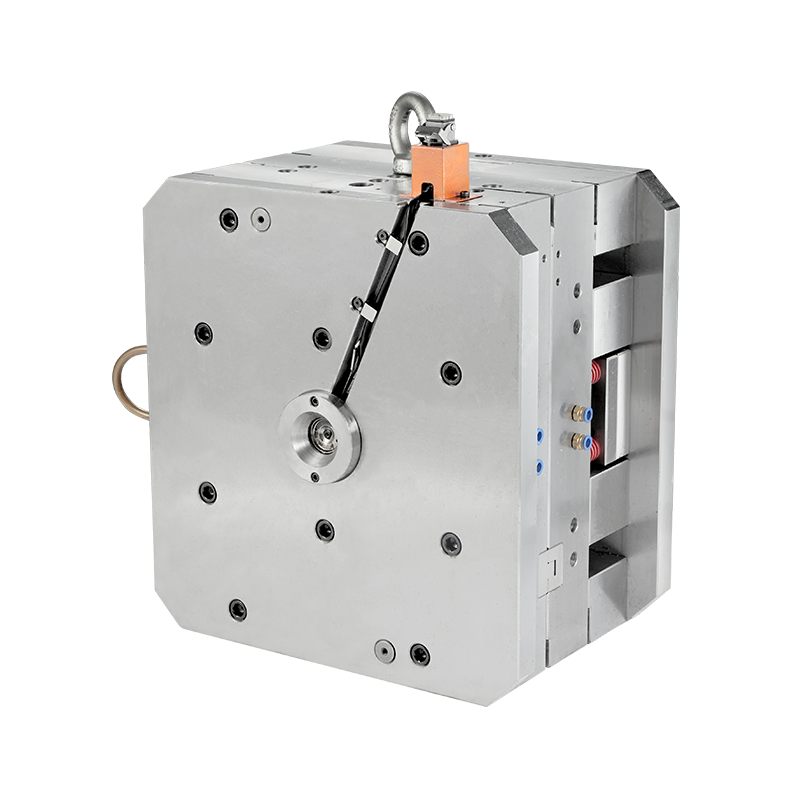
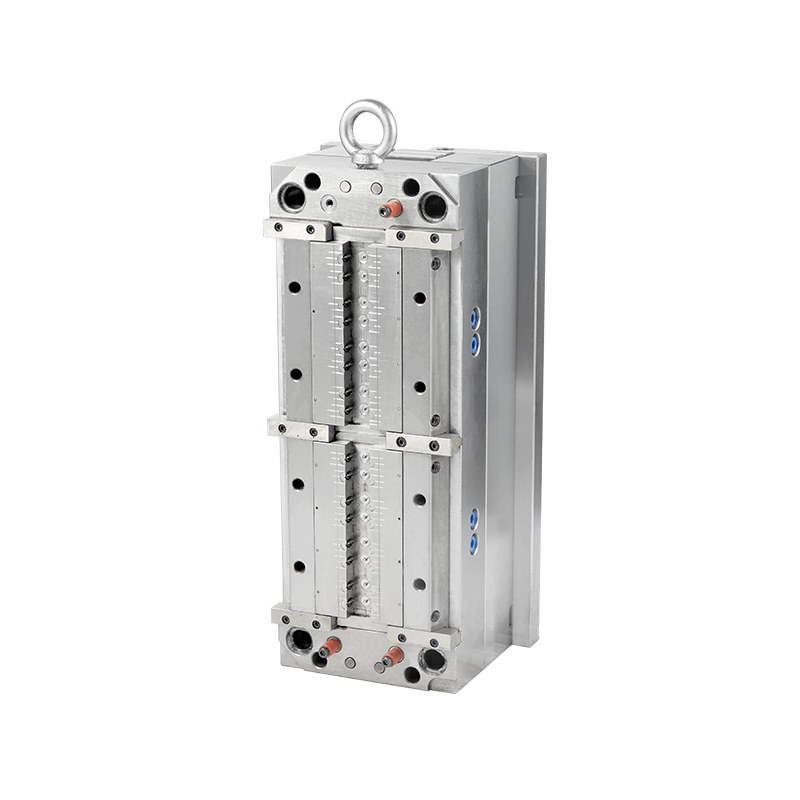
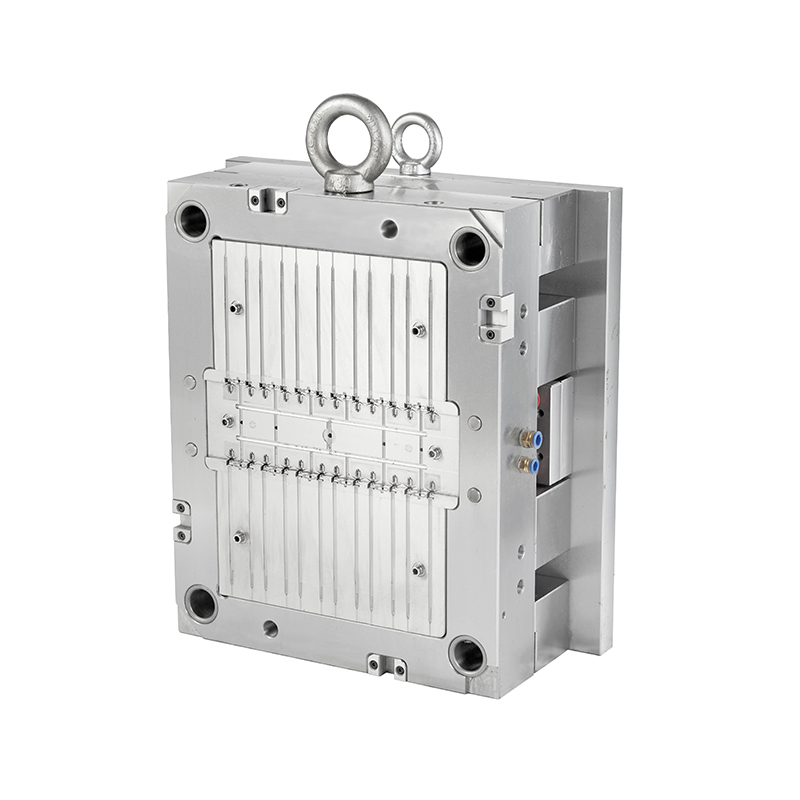
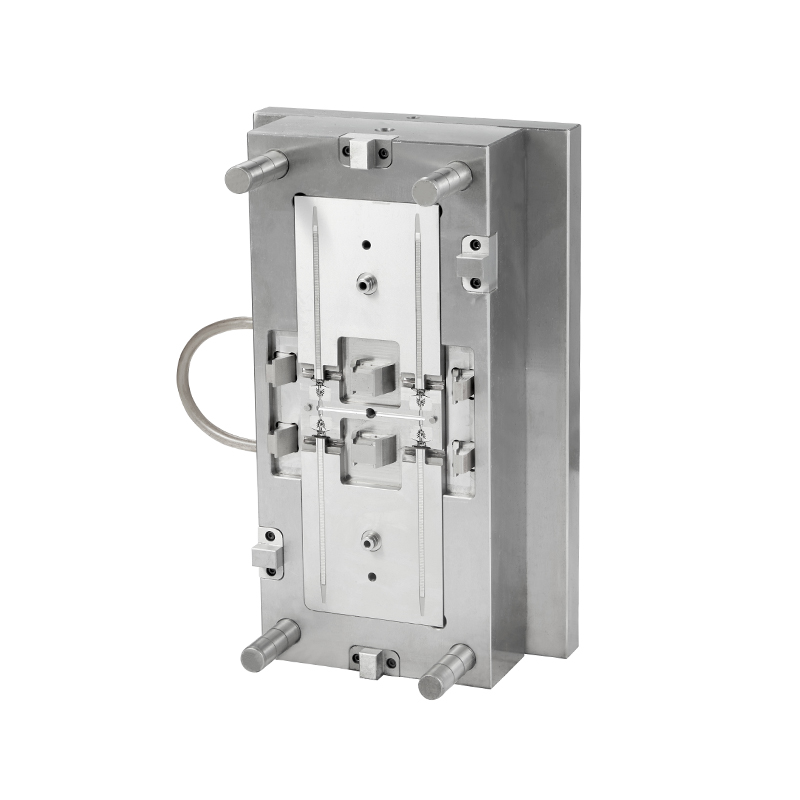
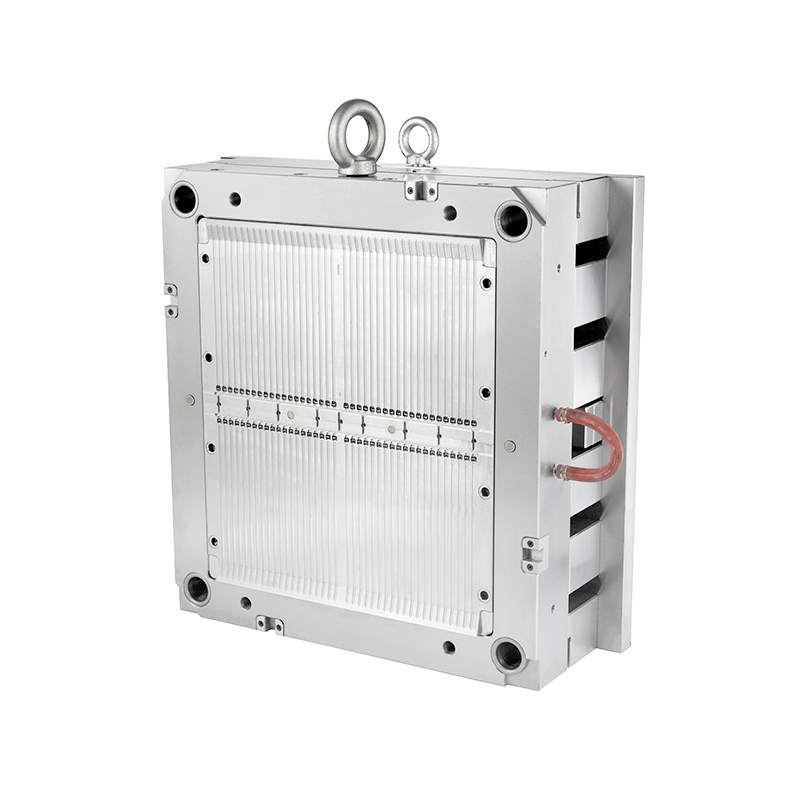
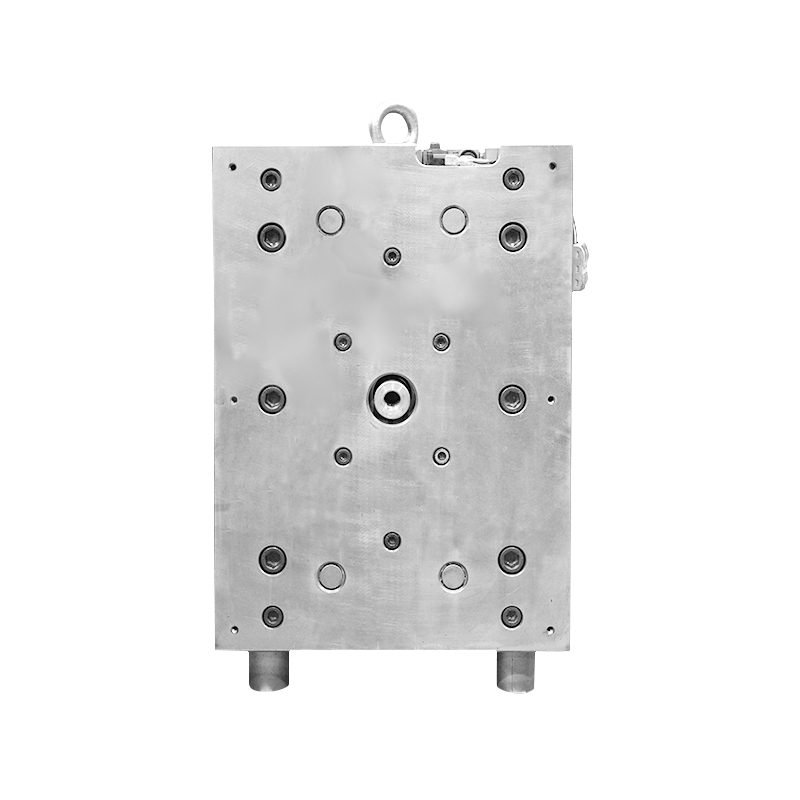
Production efficiency is closely connected to mold condition. A cable tie mold may operate continuously for hundreds of thousands of molding cycles, yet gradual wear is unavoidable. Tiny changes inside the cavity, runner, gate, ejector system, or cooling channels can slowly influence product dimensions, locking strength, and molding stability long before obvious defects appear.
Rather than relying on a fixed calendar schedule, maintenance planning is generally based on production volume, mold complexity, processed material, and operating conditions. A well-organized preventive maintenance program helps extend mold life while maintaining consistent product quality. Industry guidance recommends using shot count as the primary trigger instead of elapsed time.
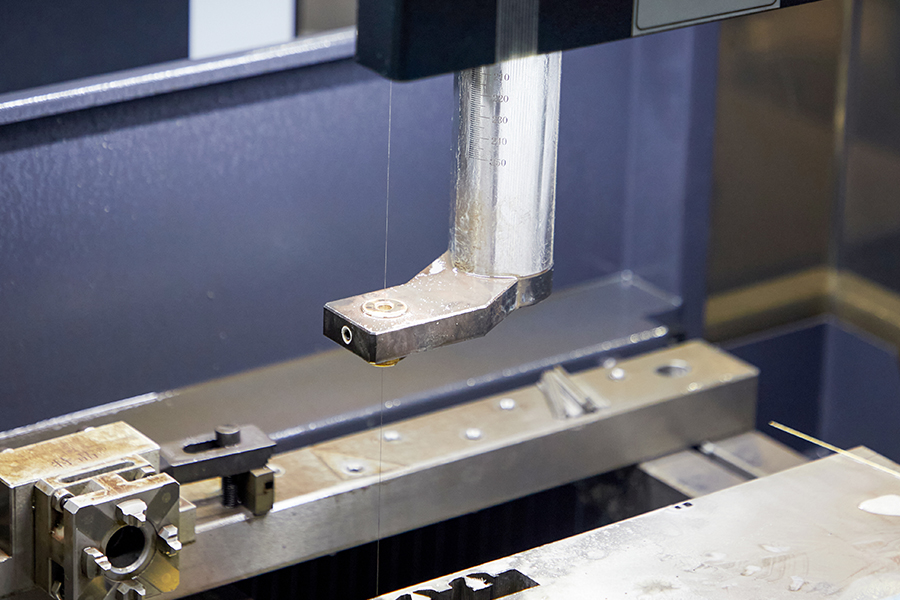
A Cable Tie Plastic Injection Mold used for automotive nylon cable ties experience different wear compared with molds processing standard polypropylene products.
Several factors determine maintenance frequency:
Engineering plastics reinforced with glass fiber gradually wear gates, runners and cavities more rapidly than unfilled materials because the fibers are abrasive during repeated molding cycles.
Routine inspection requires only a short amount of time but helps detect small issues before they affect production.
| Inspection Item | Purpose |
| Cavity surface | Remove resin residue and contamination |
| Parting line | Prevent flash and surface damage |
| Vents | Maintain smooth air evacuation |
| Ejector movement | Confirm smooth operation |
| Cooling connections | Check leakage and blockage |
| Guide components | Inspect lubrication condition |
Many manufacturers perform these inspections at the end of each production shift or after every production run. Routine cleaning reduces contamination that may gradually damage cavity surfaces.
Cycle count provides a more accurate indication of mold wear than calendar time because production intensity varies widely between projects.
Typical preventive maintenance ranges include:
Complex molds containing numerous moving components generally require inspection at shorter shot-count intervals than simple two-plate molds.
The gate experiences continuous high-pressure resin flow.
Inspection items include:
Cold runners should remain clean and dimensionally consistent.
Blocked runners or worn runner entrances may gradually influence cavity balance.
Cooling efficiency directly affects molding cycle consistency.
Mineral deposits inside cooling passages reduce heat transfer efficiency and may create uneven shrinkage between cavities.
Cable tie molds usually contain numerous ejector pins because the molded parts are long and relatively thin.
Maintenance commonly includes:
Poor lubrication gradually increases friction and accelerates wear on moving components.
Different resins create different maintenance requirements.
| Material | Maintenance Consideration |
| PP | Relatively low wear |
| PA6 | Monitor residue and moisture control |
| PA66 | Inspect gates and vents regularly |
| PA66 GF30 | Higher abrasive wear on runners and cavities |
| PBT GF | Frequent inspection of high-flow regions |
Glass-fiber-filled engineering plastics gradually enlarge runner entrances and gates, making regular dimensional inspection especially valuable.
Detailed maintenance records provide valuable information throughout the mold's operating life.
Useful records include:
Historical records allow maintenance intervals to be adjusted according to actual wear instead of fixed estimates.
Some production changes indicate that maintenance should be scheduled as soon as practical.
Ignoring these warning signs often results in longer downtime and higher repair costs than scheduled preventive maintenance. Preventive programs consistently reduce unexpected production interruptions and help preserve mold accuracy.
A maintenance schedule should match the mold's operating conditions rather than follow a fixed calendar. Production volume, resin abrasiveness, cavity count, and mold complexity all influence inspection intervals. Regular cleaning, lubrication, dimensional verification, and wear monitoring help a Cable Tie Plastic Injection Mold continue producing consistent cable ties with reliable locking performance and stable dimensions throughout its service life. Preventive maintenance not only protects the tooling investment but also supports efficient, repeatable production across extended manufacturing cycles.
Recommended Products



 English
 中文简体
中文简体 русский