2026.09.04
 News
News
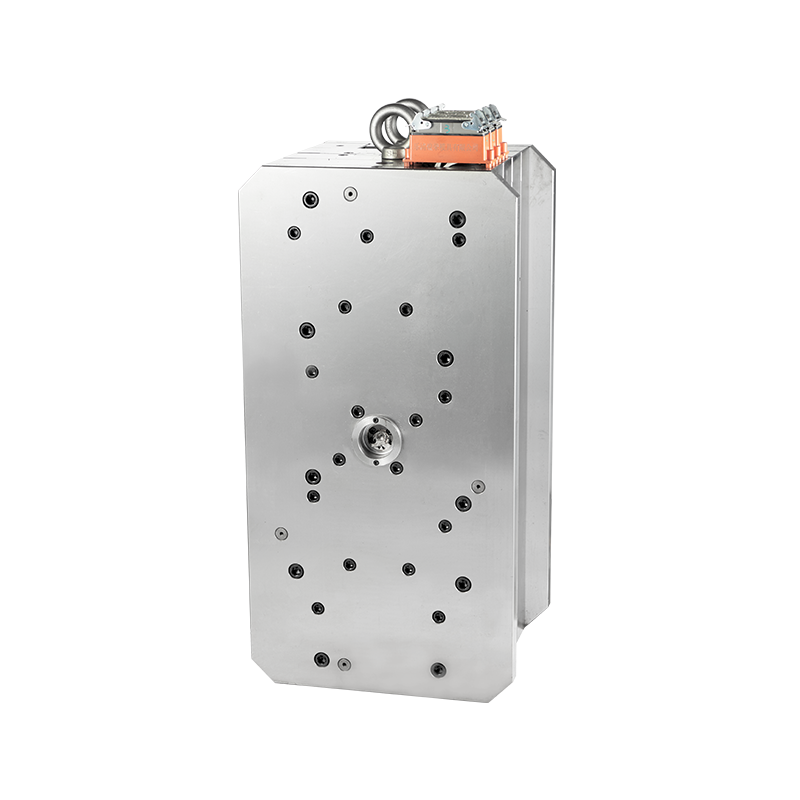
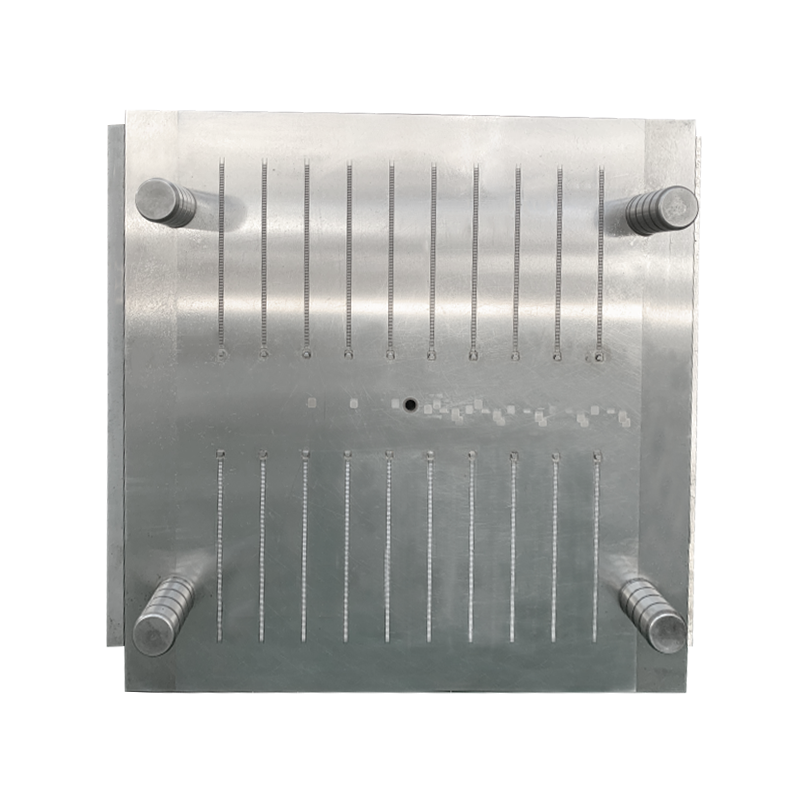
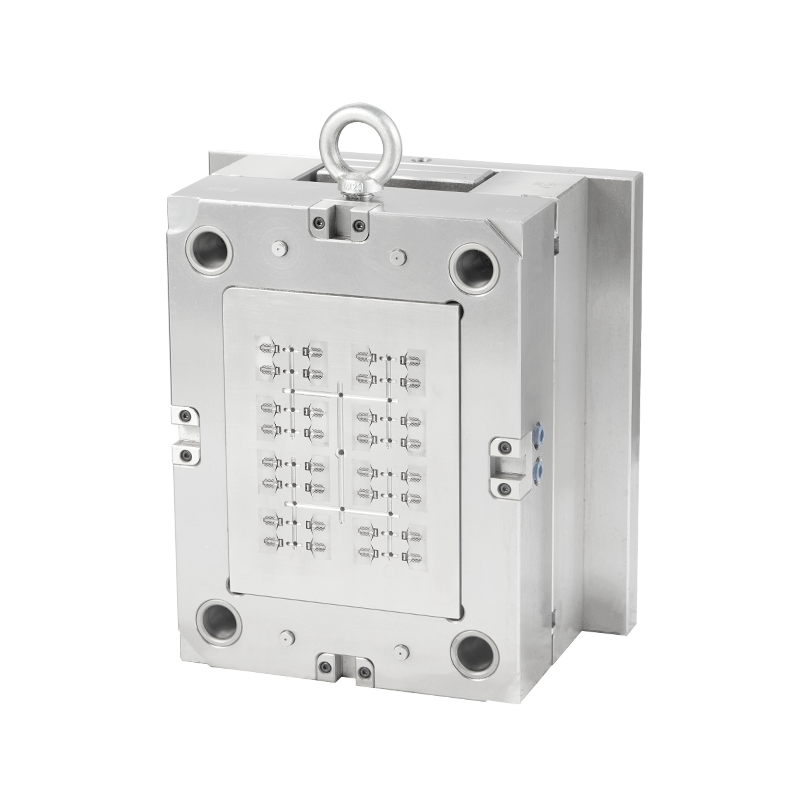
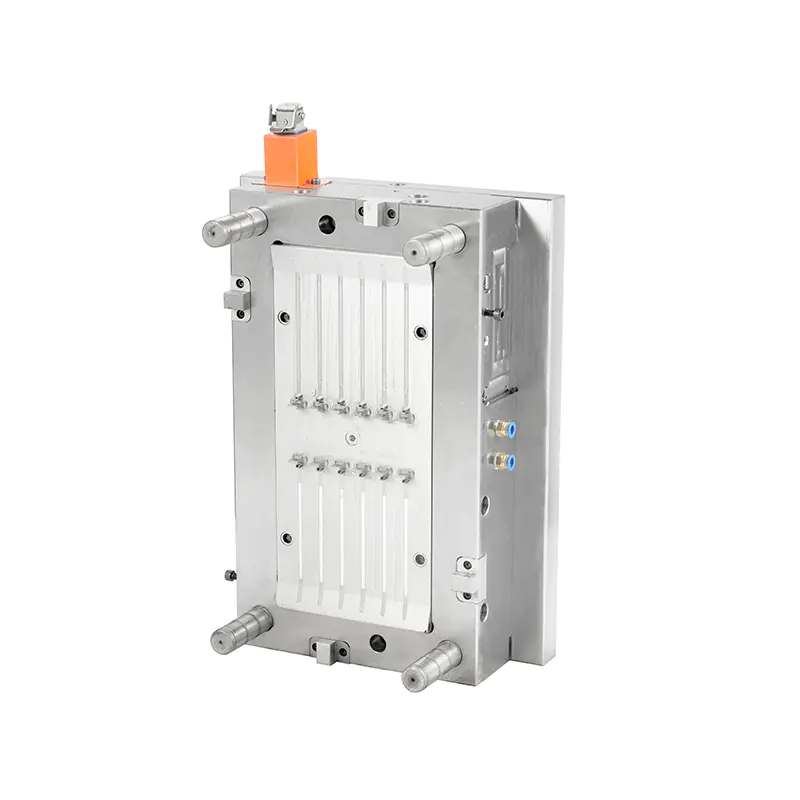
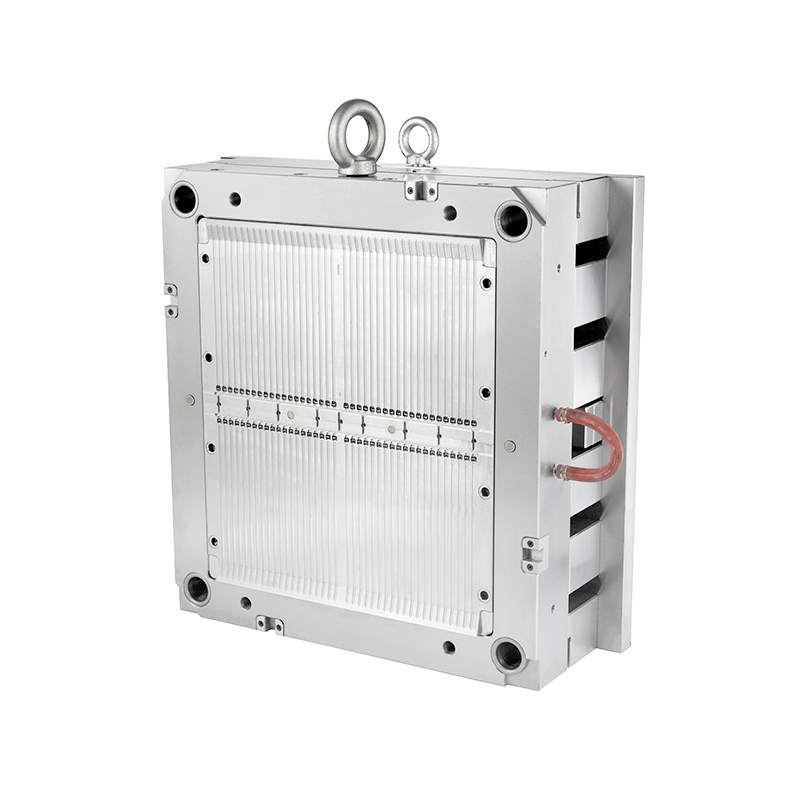
Cable ties may look simple, but their locking performance depends on several small structural details. Strap width, tooth geometry, locking head dimensions, pawl design, and overall length all affect how a tie performs after molding. A standard mold can handle common specifications, but products with special dimensions or functional requirements often need a Customize Cable Tie Injection Mold.
The purpose of customization is not simply to create a different appearance. The mold must reproduce critical functional areas accurately while supporting reliable ejection and stable molding of the finished cable tie.
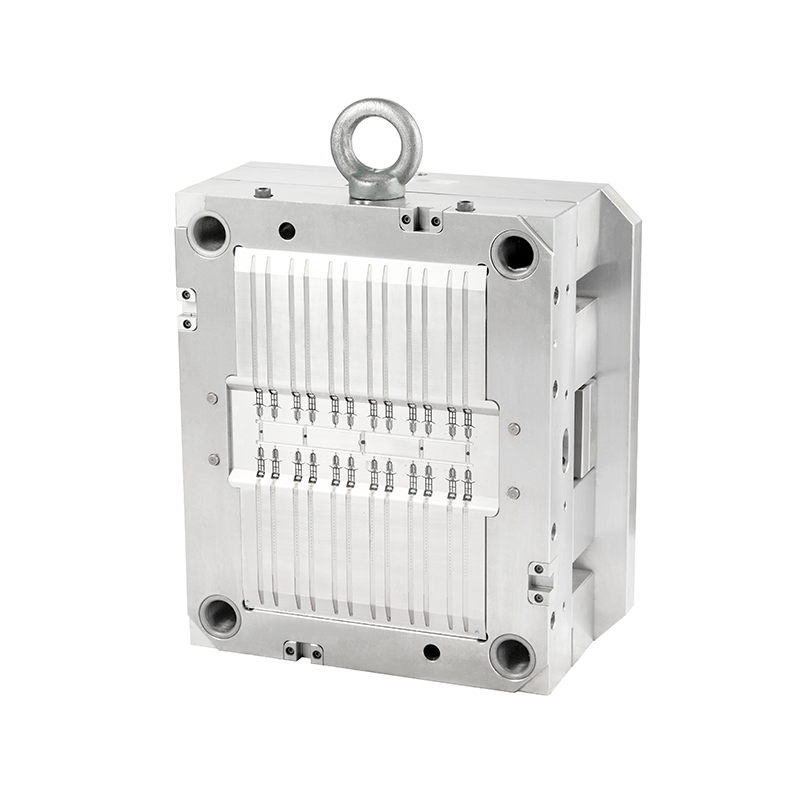
The strap is the main load-bearing section of a cable tie. Changing its width or thickness changes flexibility, tensile behavior, and the amount of material flowing through the cavity.
A Customize Cable Tie Injection Mold allows the cavity dimensions to follow the actual product specification instead of forcing a special-size tie into a standard geometry.
The teeth along the strap are directly involved in the locking action. Their pitch, height, angle, and spacing determine how the pawl engages with the strap.
| Feature | Possible Customization | Product Impact |
| Tooth pitch | Different spacing | Controls locking positions |
| Tooth height | Adjusted profile | Influences pawl engagement |
| Tooth angle | Application-specific geometry | Affects insertion and withdrawal resistance |
| Tooth width | Modified contact area | Supports different load requirements |
Injection molding patents describe cable ties with ratchet teeth positioned along the strap and a pawl inside the locking head that engages these teeth. This relationship makes tooth geometry a critical part of mold development rather than a simple decorative feature.
The locking head usually requires more detailed mold engineering than the straight strap. It contains the opening through which the tie passes, along with the internal locking mechanism.
Products designed for compact electronics, automotive wiring, or heavy cable bundles may therefore require noticeably different head structures.
The pawl is a particularly sensitive feature because it must flex during insertion and then engage the strap teeth. A recent technical discussion of cable tie molds gives a typical pawl thickness of approximately 0.35–0.55 mm for a 4.8 mm-wide tie, with an undercut depth around 0.6–1.2 mm. Such geometry can require specialized core or side-action arrangements during molding.
A poorly matched mold structure may create difficulties around the undercut, while excessive variation in the pawl geometry can change the locking feel and holding behavior. Custom tooling provides greater control over this internal mechanism.
The tip of the cable tie also deserves attention. A rounded, tapered, reinforced, or extended tip can make insertion easier for a particular application. Since the tip is formed directly by the cavity, its shape must be incorporated into the mold rather than modified after production.
Some cable tie molding designs also use specific core arrangements to handle undercuts around the tip and locking head.
A Customize Cable Tie Injection Mold becomes particularly useful for cable ties with:
PA66 is widely associated with injection-molded cable ties, while its moisture sensitivity also makes material preparation and dimensional control important during molding.
A cable tie mold is closely connected to the functional details of the finished product. Strap dimensions determine the basic form, while teeth, pawl, locking head, and tip geometry influence how the tie actually works. A Customize Cable Tie Injection Mold can therefore be valuable whenever a cable tie moves beyond common dimensions or requires a specialized locking structure.
Recommended Products



 English
 中文简体
中文简体 русский