2026.08.14
 News
News
Stable filling is one of the key requirements in cable tie production. Even a small difference in melt flow between cavities can create noticeable variations in locking strength, dimensional accuracy, surface appearance, and product weight. Since cable ties are generally manufactured in high-cavity molds with thin sections, maintaining balanced flow becomes more challenging than molding ordinary plastic components.
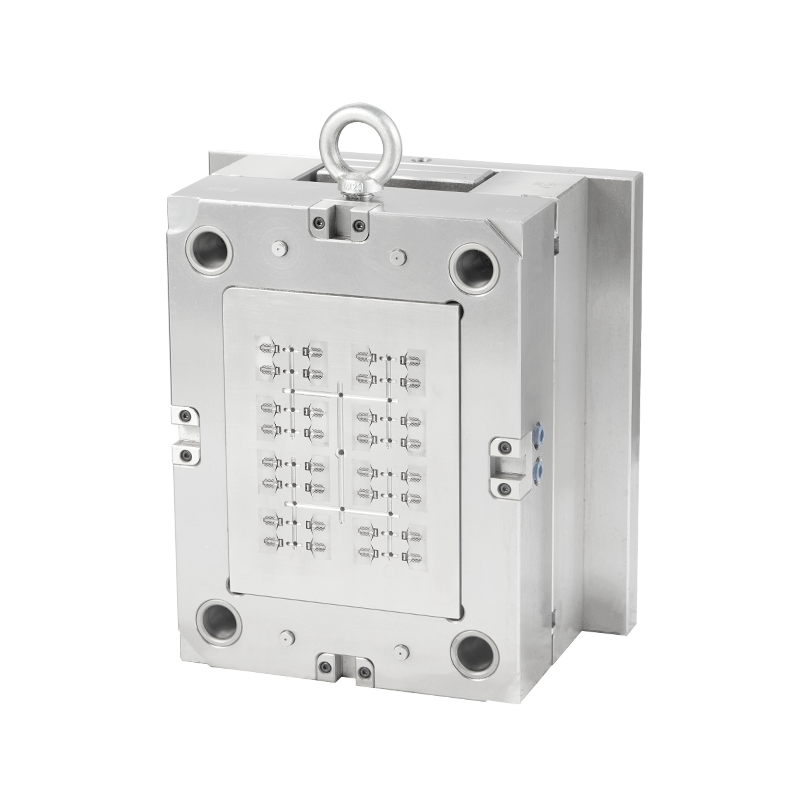
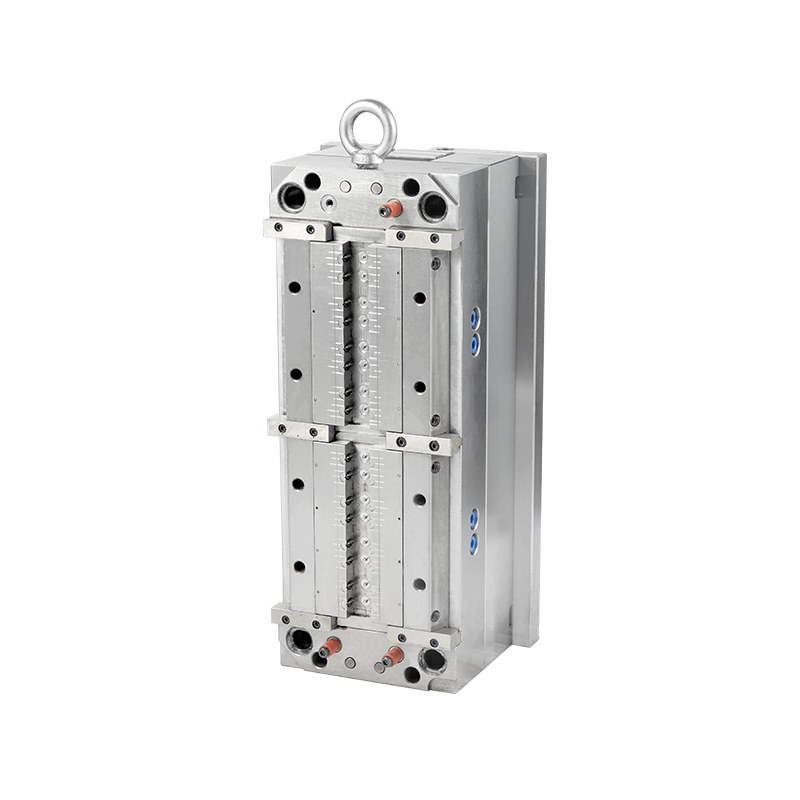
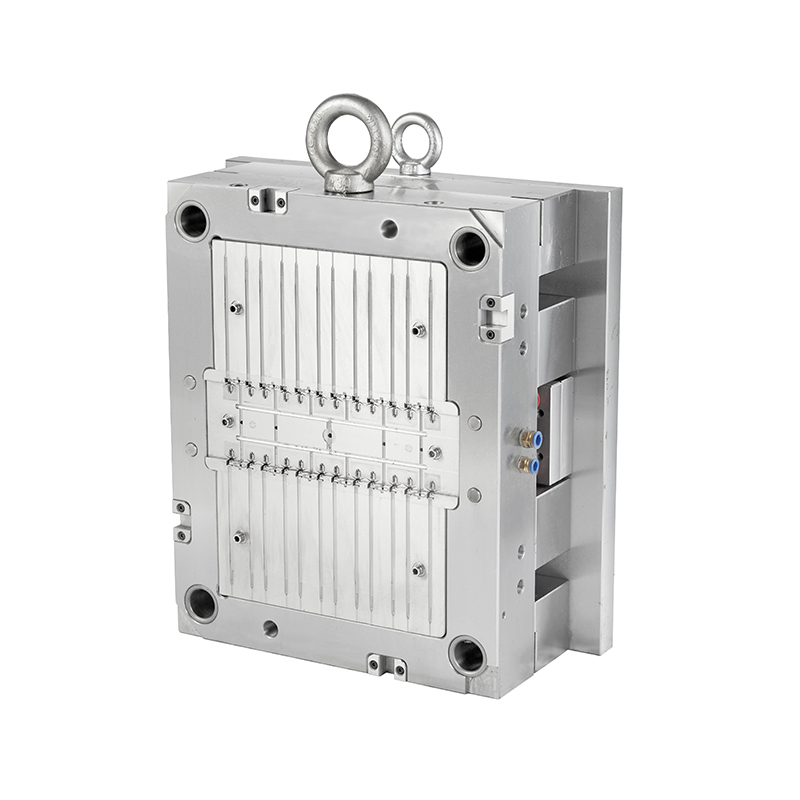
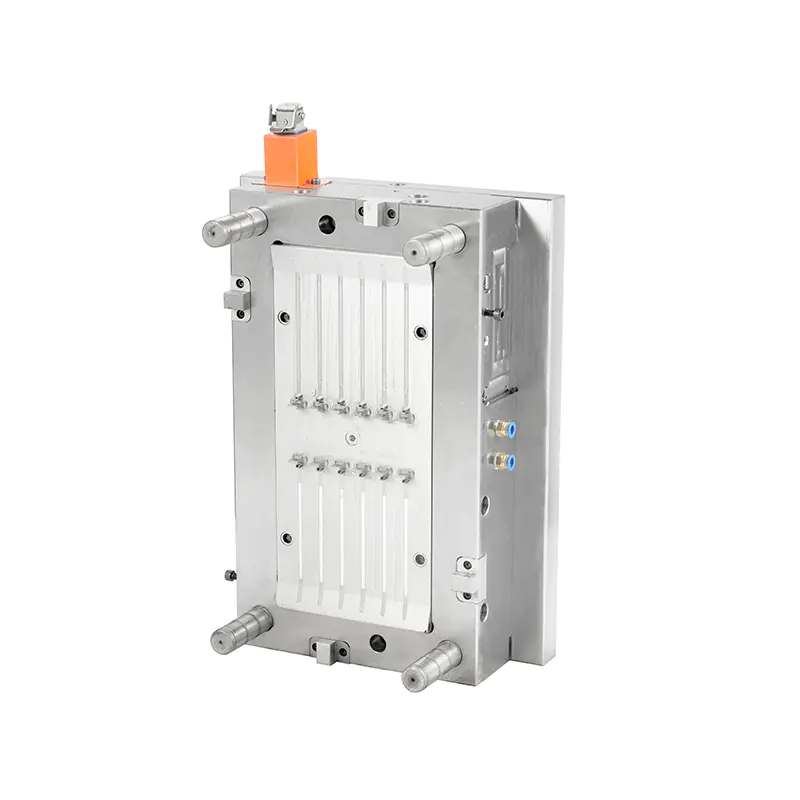
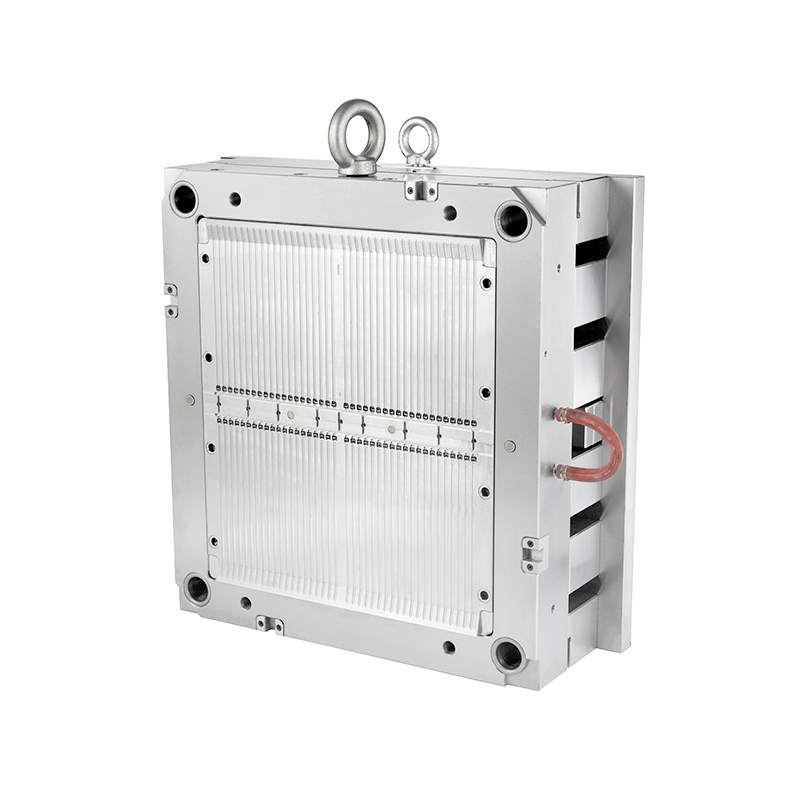
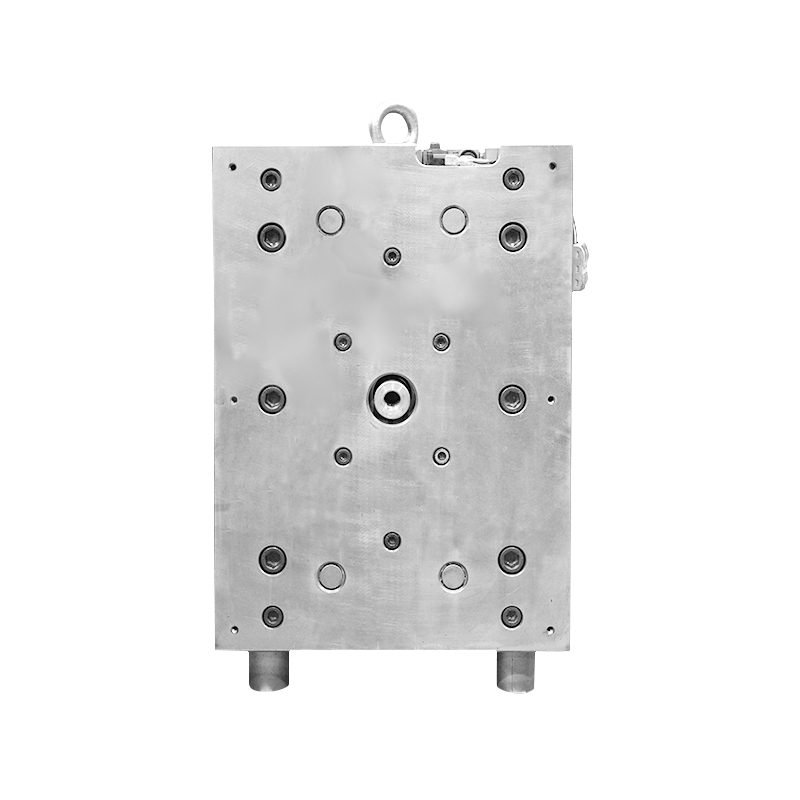
A Cold Runner Automobile Cable Tie Mold relies on an unheated runner system to deliver molten resin into every cavity. Although this design offers straightforward construction and relatively low tooling cost, several technical factors may disturb melt flow and create uneven filling. Understanding these factors allows mold designers and production engineers to improve consistency without unnecessary process adjustments.
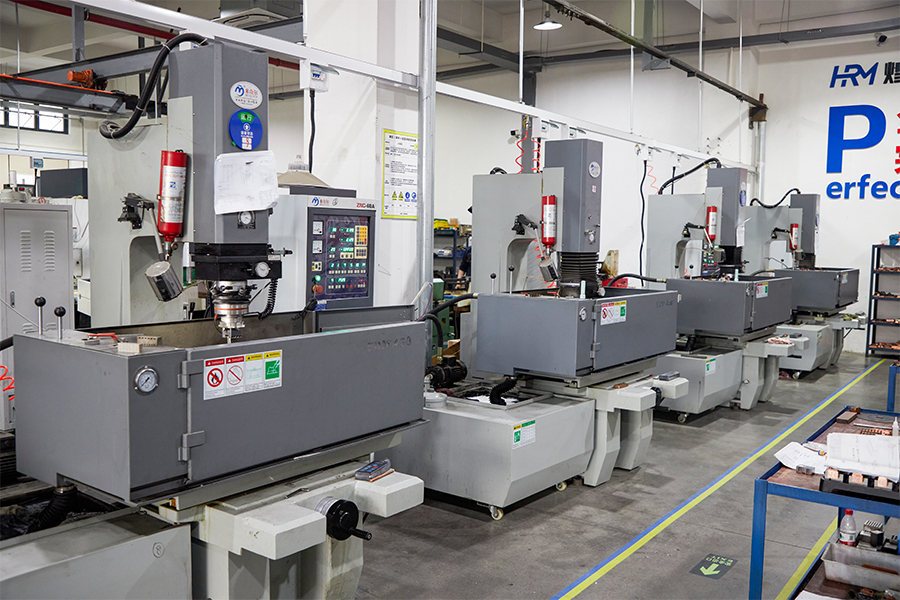
Uneven filling occurs when one cavity fills faster or receives more packing pressure than another. This difference may appear even in geometrically balanced runner systems because polymer flow is influenced by temperature, viscosity, shear rate, and runner geometry rather than runner length alone. Research has shown that shear-induced temperature differences inside the runner can create flow imbalance even with symmetrical layouts.
Typical production symptoms include:
Runner size determines pressure loss throughout the filling process. A runner that is too small increases resistance, while an oversized runner extends cooling time and increases material consumption.
Cable tie molds commonly use round runners because they provide relatively uniform flow characteristics.
Every cavity should receive melt under similar conditions. Even slight differences in branch geometry may cause one cavity to receive hotter, lower-viscosity material than another.
| Runner Condition | Possible Result |
| Small runner diameter | Higher pressure loss |
| Long flow path | Lower melt temperature at cavity entrance |
| Unequal branch geometry | Different cavity filling speeds |
| Sharp runner corners | Higher local shear |
| Restricted runner | Short shot risk |
Experimental studies indicate that runner size and gate size significantly influence filling balance in multi-cavity injection molds. Smaller runners generally increase imbalance because pressure loss becomes greater during melt flow.
The gate acts as the transition between the runner and cavity. Slight dimensional variation during machining may produce noticeable differences in filling behavior.
Common issues include:
High-cavity cable tie molds often require gate dimensional tolerance within several hundredths of a millimeter to maintain stable cavity balance.
Automotive cable ties frequently use engineering plastics such as PA6 and PA66 because these materials provide mechanical strength and heat resistance.
Glass fiber reinforcement increases stiffness but also changes melt behavior.
Studies have reported that glass-fiber-filled materials exhibit stronger filling imbalance than unfilled polymers because viscosity distribution changes throughout the runner system.
Even a well-designed mold may produce unstable filling under unsuitable molding conditions.
| Process Parameter | Influence on Filling |
| Melt temperature | Controls resin viscosity |
| Mold temperature | Affects cooling speed |
| Injection speed | Changes shear rate |
| Packing pressure | Determines cavity density |
| Holding time | Influences shrinkage consistency |
Optimization studies demonstrate that injection rate, melt temperature, and mold temperature all contribute to cavity balance. Proper parameter adjustment improves filling consistency without changing mold geometry.
Air trapped inside thin cable tie cavities slows the advancing melt front.
Insufficient venting may cause:
Vent depths around 0.02–0.04 mm are commonly used for many engineering plastics, although the actual value depends on resin type.
Even carefully designed runners cannot compensate for poor machining quality.
Several dimensions deserve close attention:
Small deviations accumulate across dozens of cavities and eventually appear as inconsistent product quality.
Modern Moldflow analysis predicts pressure distribution, filling sequence, weld lines, air traps, and temperature variation before steel cutting begins.
Engineers frequently compare runner layouts, gate positions, and processing windows through simulation to reduce trial modifications after tooling is completed. Numerical optimization has become an effective approach for minimizing filling imbalance in multi-cavity molds.
Consistent cavity filling depends on the combined performance of mold design, machining accuracy, processing parameters, and material behavior rather than a single factor. A well-engineered cold runner automobile cable tie mold distributes melt evenly across every cavity, helping manufacturers produce cable ties with stable dimensions, reliable locking performance, and repeatable quality throughout extended production cycles.
:::writing{}
Recommended Products



 English
 中文简体
中文简体 русский