2026.08.07
 News
News
Plastic part quality depends on far more than resin selection or machine capacity. The runner system determines how molten material reaches the cavity, how pressure is transferred, and how consistently every section of the product is packed. A design decision made during mold development often influences weld lines, sink marks, dimensional stability, and cycle consistency throughout the production life.
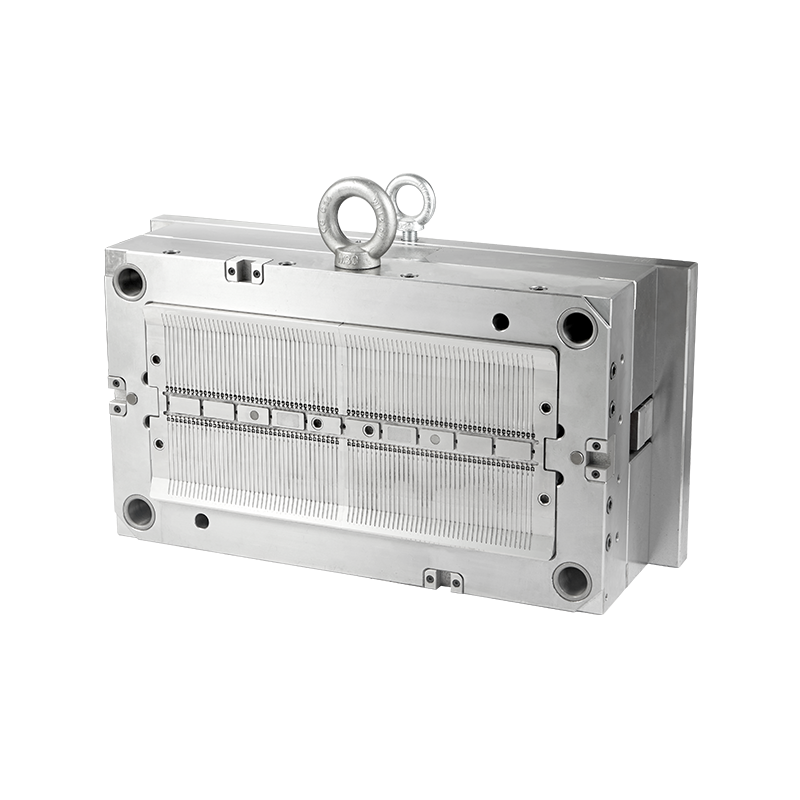
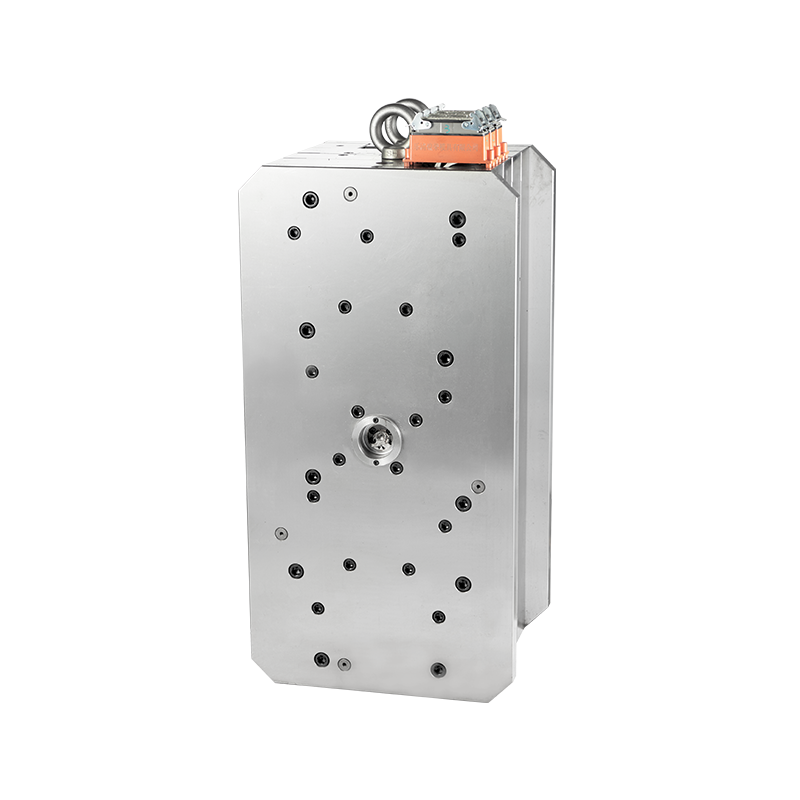
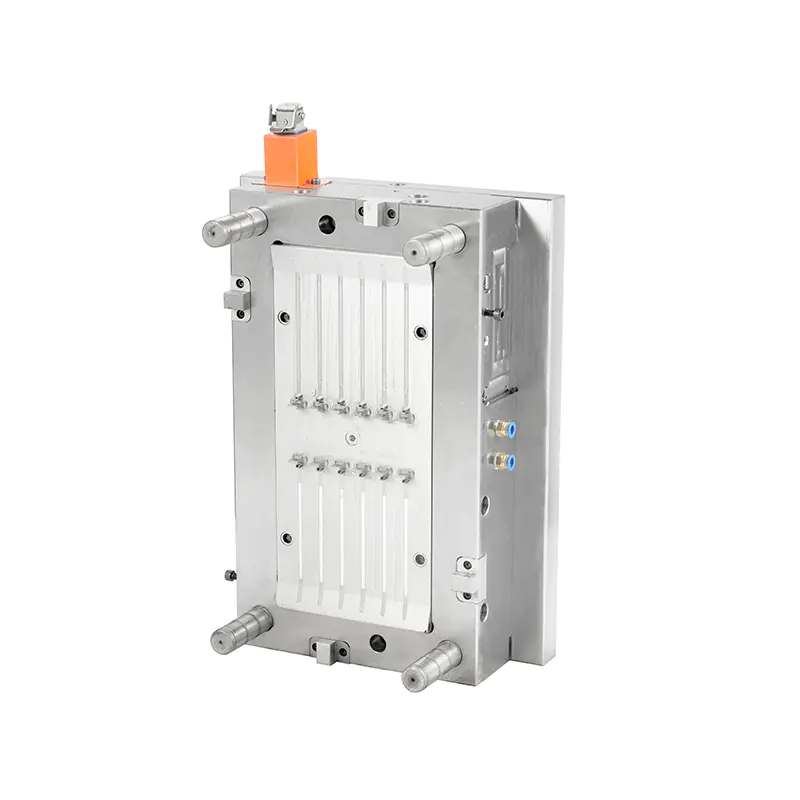
A Single Point Hot Runner Mold introduces molten plastic through one gate, while a multi-point hot runner distributes melt through several gates. Both systems have clear advantages, although their filling behavior differs according to product geometry, wall thickness, material flow characteristics, and cavity layout. Understanding these differences helps engineers choose a solution that matches the molded component instead of relying on general assumptions. Modern hot runner systems are available as single-point, multi-point, open-gate, or valve-gate configurations depending on the application.

A single-point system injects melt through one gate positioned at a carefully calculated location. The plastic flows outward until the cavity is completely filled.
A multi-point design divides the melt through a heated manifold before entering the cavity from several locations simultaneously. This shortens the individual flow paths but introduces additional requirements for flow balancing and temperature control.
| Comparison Item | Single-Point System | Multi-Point System |
| Gate Quantity | 1 | 2 or more |
| Flow Direction | Center or one location | Several flow fronts |
| Typical Product | Compact components | Large panels or wide parts |
| Flow Distance | Longer | Shorter |
| Flow Balance | Simple | Requires precise manifold design |
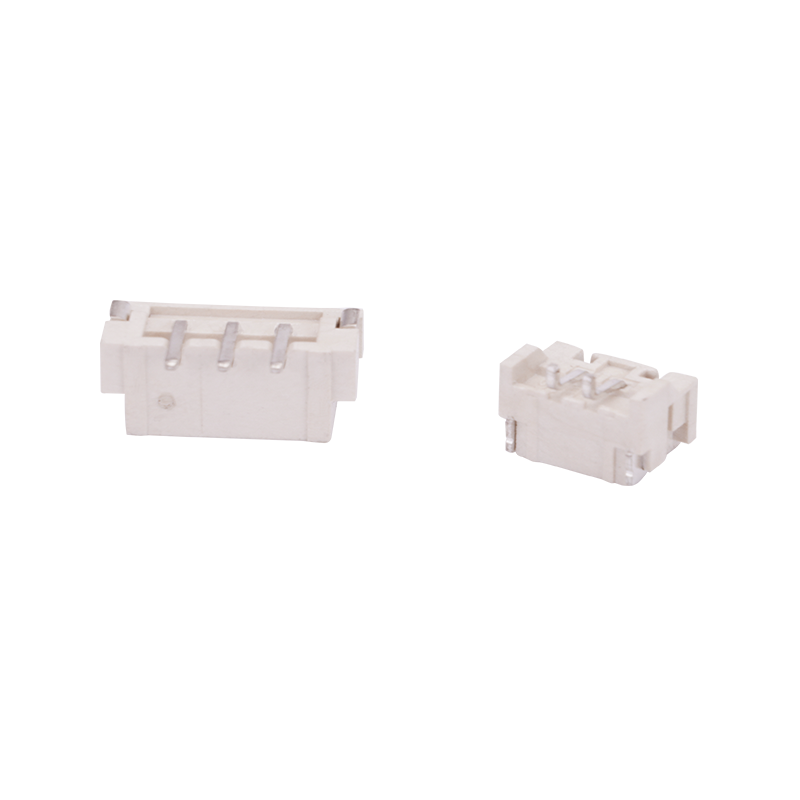
Products such as electronic housings, gears, caps, medical accessories, and connectors generally have relatively short melt flow distances. One gate can fill the cavity without excessive pressure loss.
Many single-cavity molds continue using one gate because the design remains simple while providing stable molding performance.
Automotive interior panels, appliance housings, storage containers, and wide flat products present different filling conditions.
Molten resin travelling through a single gate gradually loses temperature and pressure along the flow path. Certain engineering plastics may require higher injection pressure as viscosity increases near the flow end.
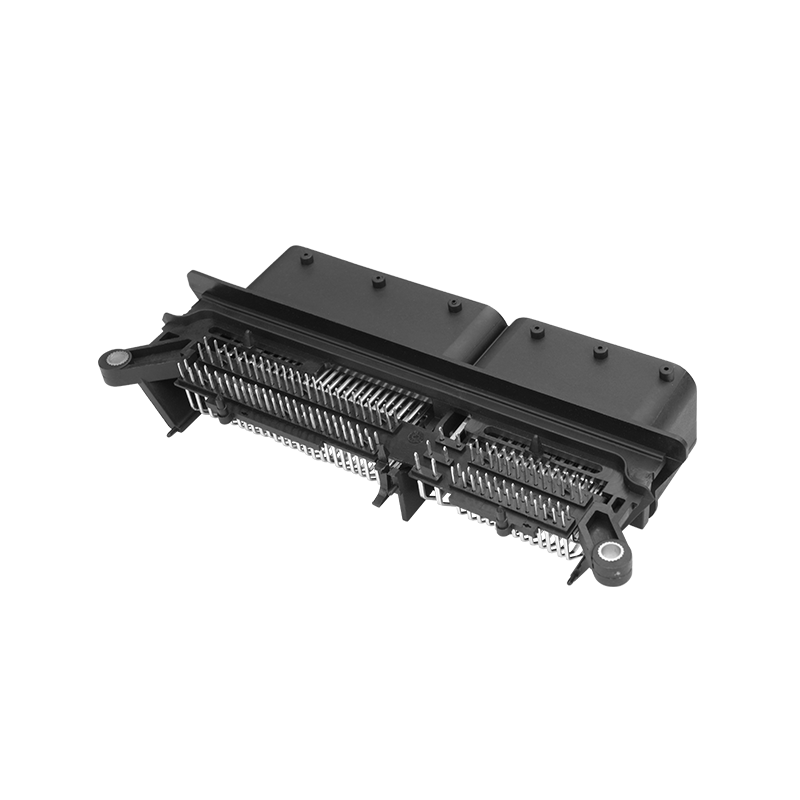
Multi-point hot runners divide the filling path into shorter sections, helping maintain pressure across large surface areas while reducing excessive flow length. This approach is widely used for large automotive components and complex surface parts.
Adding more gates does not automatically produce better filling.
Every branch inside the manifold should deliver similar melt temperature, pressure, and flow rate. Even small differences may create:
Modern manifold machining commonly targets flow channel accuracy within ±0.01–0.02 mm, while independent temperature zones generally operate between 200°C and 320°C depending on resin type. Balanced runner layouts are considered essential for consistent cavity filling.
| Feature | Single Point | Multi-Point |
| Injection Pressure | Higher on long flow paths | Shared across multiple gates |
| Packing Consistency | Stable on compact parts | Depends on gate balance |
| Weld Line Possibility | Generally fewer | May appear where flow fronts meet |
| Suitable Wall Thickness | Medium to thick sections | Thin-wall and wide-area parts |
| Tool Complexity | Lower | Higher |
Different polymers behave differently inside the runner.
Material viscosity, fiber content, and thermal stability all influence gate arrangement during mold design.
Mold flow analysis is widely applied before steel cutting begins.
Simulation predicts filling sequence, pressure drop, temperature distribution, air traps, weld line locations, and packing behavior. Engineers often compare one-gate and multiple-gate layouts before deciding on the runner configuration.
This digital evaluation reduces design revisions and provides better confidence before manufacturing expensive tooling.
Neither gate arrangement delivers superior filling under every molding condition. Compact products often benefit from the straightforward flow pattern provided by a Single Point Hot Runner Mold, while wide components frequently require multiple gates to shorten flow distance and maintain pressure distribution. Product geometry, resin characteristics, cavity layout, and runner balance together determine the final filling quality. Careful engineering evaluation supported by simulation and practical molding data remains the reliable path toward stable injection molding performance.
Recommended Products



 English
 中文简体
中文简体 русский