2026.01.16
 News
News
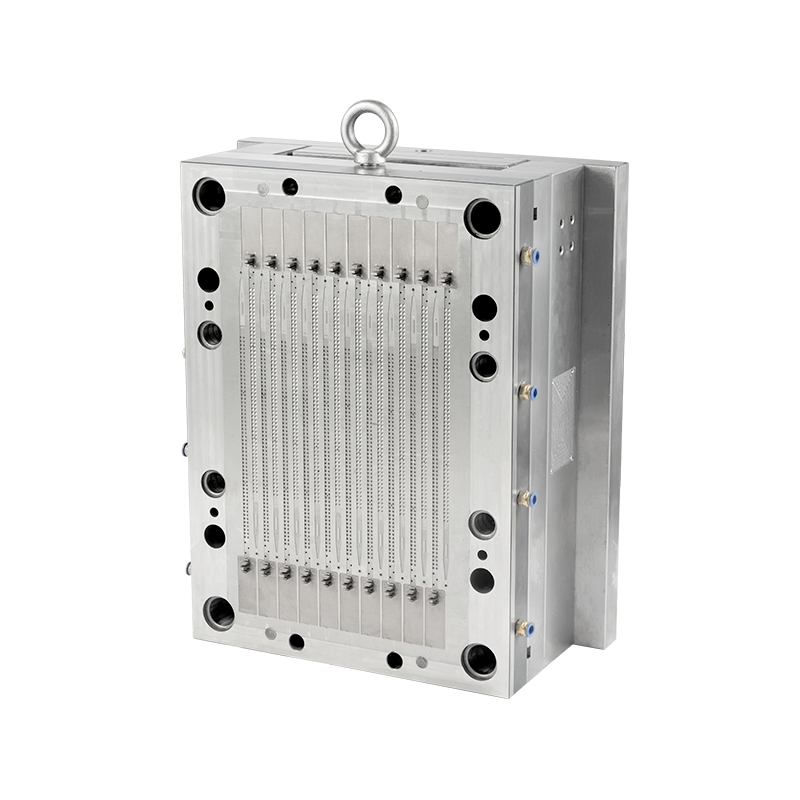
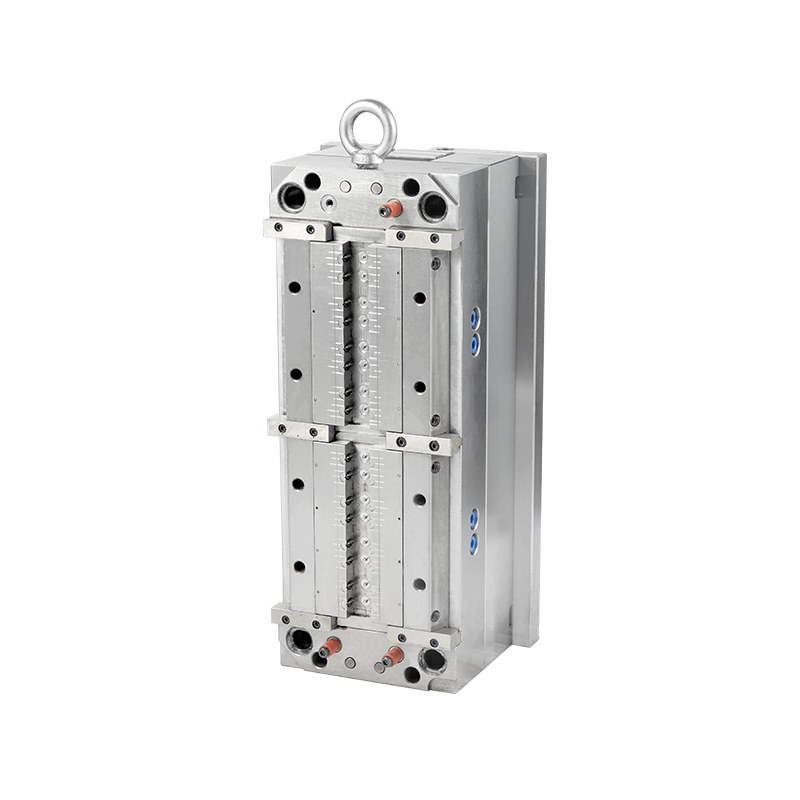
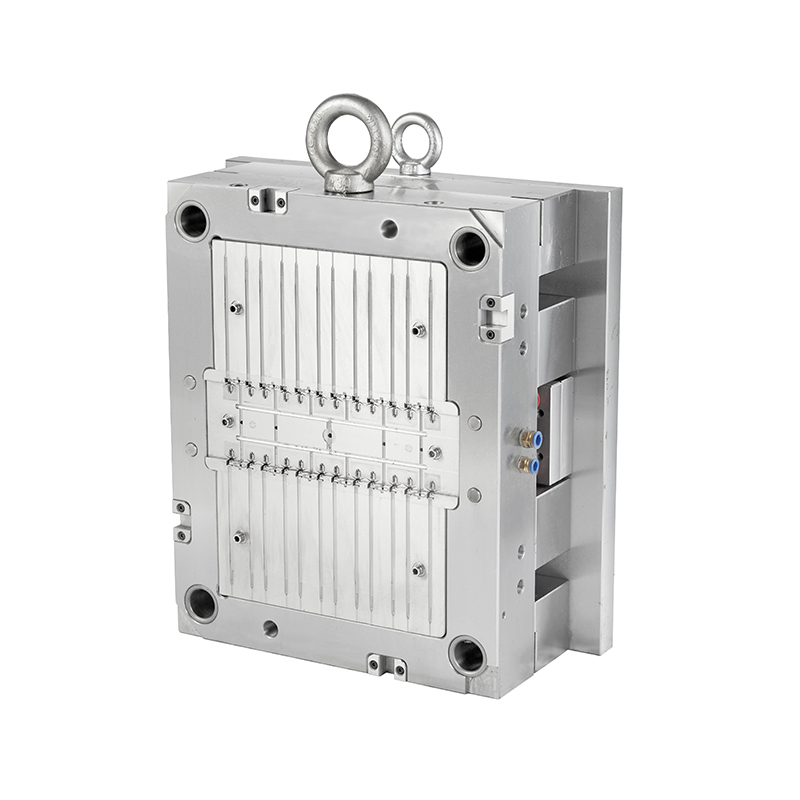
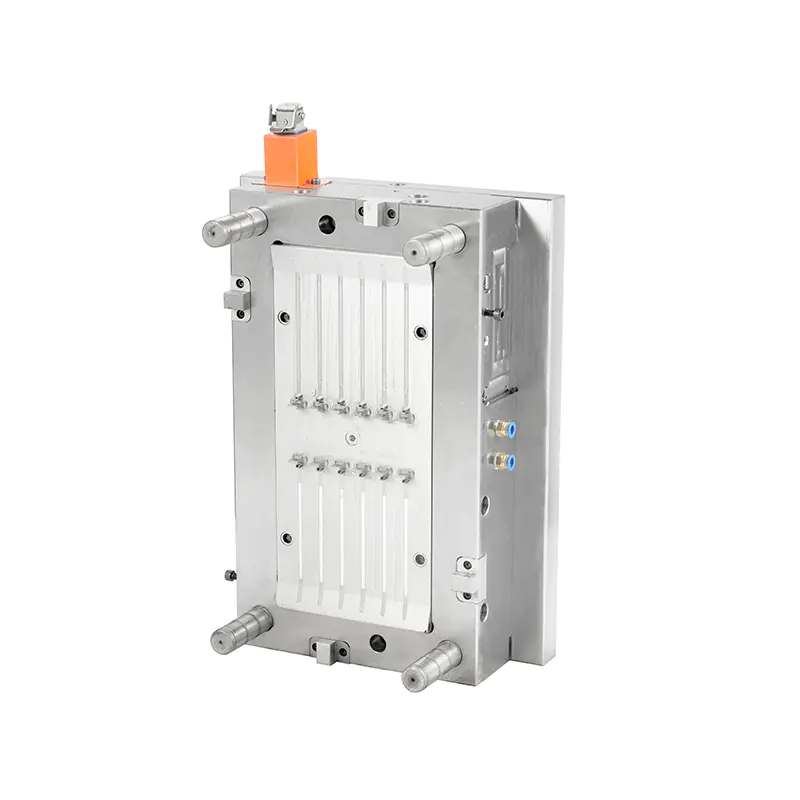
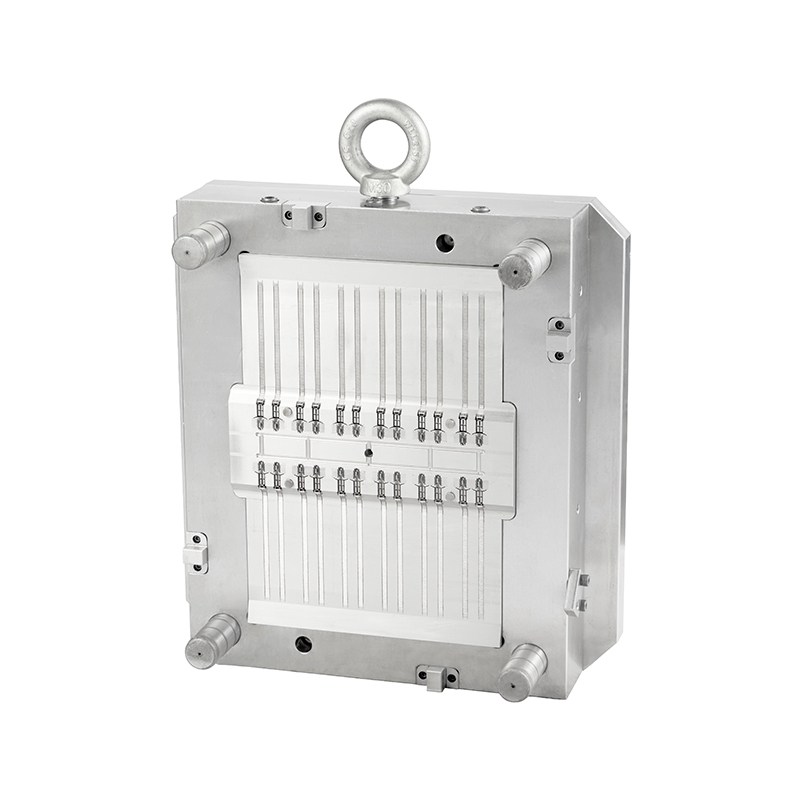
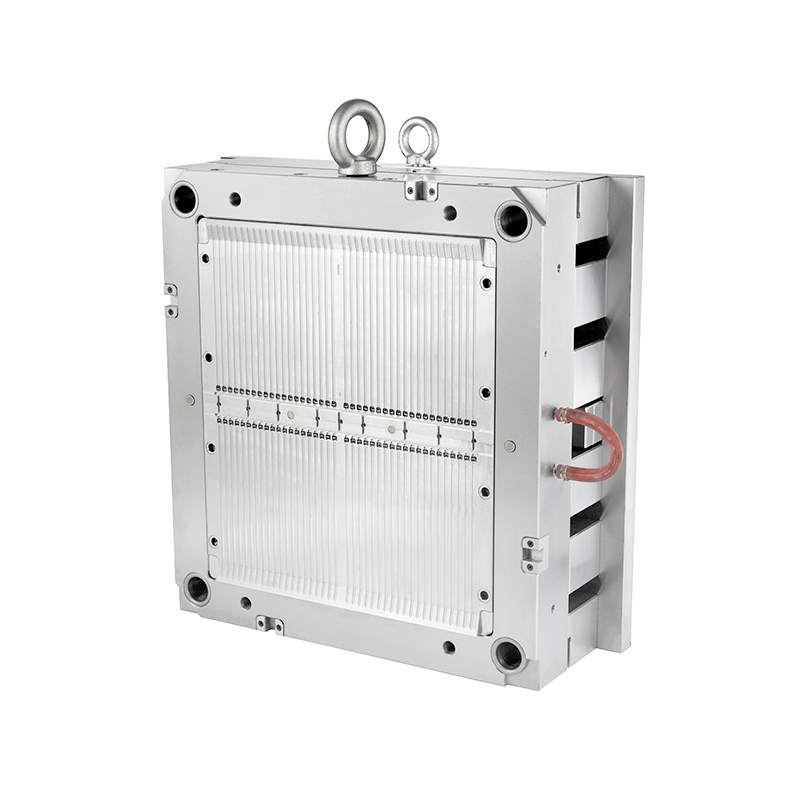
An automotive plastic parts mold is a precision tool designed to shape molten plastic into specific automotive components through processes such as injection molding. The mold typically consists of a cavity and core that define the final shape of the part.
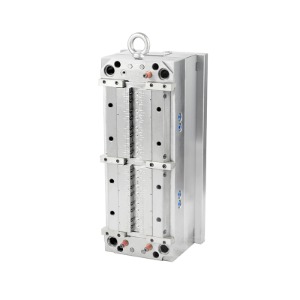
In practical use, these molds are applied to produce a wide range of vehicle components. Interior parts include dashboards, door panels, center consoles, air vent housings, and instrument covers. Exterior parts include bumpers, grilles, mirror housings, and fender liners. Under-the-hood plastic parts, such as fluid reservoirs and protective covers, are also commonly produced using these molds.
The primary function of the mold is to ensure that each plastic part meets dimensional, structural, and surface quality requirements. Since automotive components must fit precisely with other parts, molds are designed with tight tolerances. In addition, automotive plastic parts molds must support high-volume production to meet the demands of vehicle assembly lines.
Automotive plastic parts molds are mainly made from various types of steel or, in some cases, aluminum alloys. The choice of material depends on factors such as production volume, part complexity, and expected mold lifespan.
Mold steels such as P20, H13, and S136 are commonly used. These steels offer stable mechanical properties, good machinability, and resistance to wear. For parts that require a smooth surface finish or involve corrosive plastic materials, stainless mold steels may be selected.
The plastic materials processed within these molds also influence mold design. Common automotive plastics include polypropylene (PP), acrylonitrile butadiene styrene (ABS), polycarbonate (PC), and nylon (PA). Some components use fiber-reinforced plastics, which place higher demands on mold durability due to increased abrasion.
Proper material selection for both the mold and the molded plastic helps ensure consistent part quality, predictable mold maintenance cycles, and stable long-term production.
Designing an automotive plastic parts mold involves balancing functional requirements, manufacturing efficiency, and long-term reliability. Several considerations play a central role in this process.
First, part geometry must be carefully analyzed. Complex shapes, thin walls, and integrated clips or ribs require precise cavity design to ensure proper filling and cooling. Draft angles are included to allow smooth part ejection without surface damage.
Second, gating and runner systems must be designed to allow uniform plastic flow. Poor flow design can lead to defects such as warping, sink marks, or incomplete filling. Cooling channel layout is also important, as even cooling helps control shrinkage and cycle time.
Third, the mold must accommodate the expected production volume. High-volume automotive programs often require multi-cavity molds and durable construction to withstand repeated cycles. In contrast, lower-volume parts may use simpler mold designs.
Finally, compatibility with automated production is often considered. Many automotive plastic parts molds are designed for use with robotic handling systems to support consistent output and reduce manual intervention.
Despite their widespread use, automotive plastic parts molds present several practical challenges during production and maintenance.
Continuous production, especially with reinforced plastics, can gradually affect cavity surfaces and parting lines. Regular inspection and maintenance are required to maintain dimensional accuracy.
Automotive plastic parts are often large and thin-walled, making them sensitive to temperature changes and material shrinkage. Improper cooling or material inconsistency can result in deformation or assembly issues.
Surface quality is also a concern. Many automotive parts are visible to the end user, so defects such as flow lines, gloss variations, or minor surface marks may be unacceptable. Achieving consistent surface finish requires careful control of mold polishing, processing parameters, and material quality.
Design changes during a vehicle's development cycle can affect mold usability. Late-stage modifications to part geometry may require mold adjustments, which can increase cost and lead time if not planned carefully.
Recommended Products



 English
 中文简体
中文简体 русский