2026.01.09
 News
News
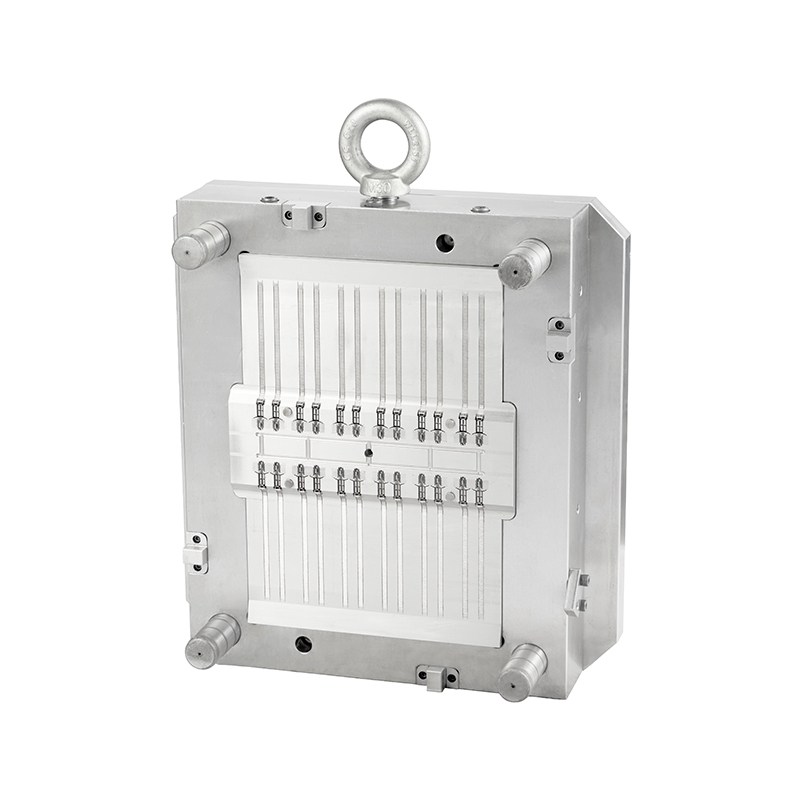
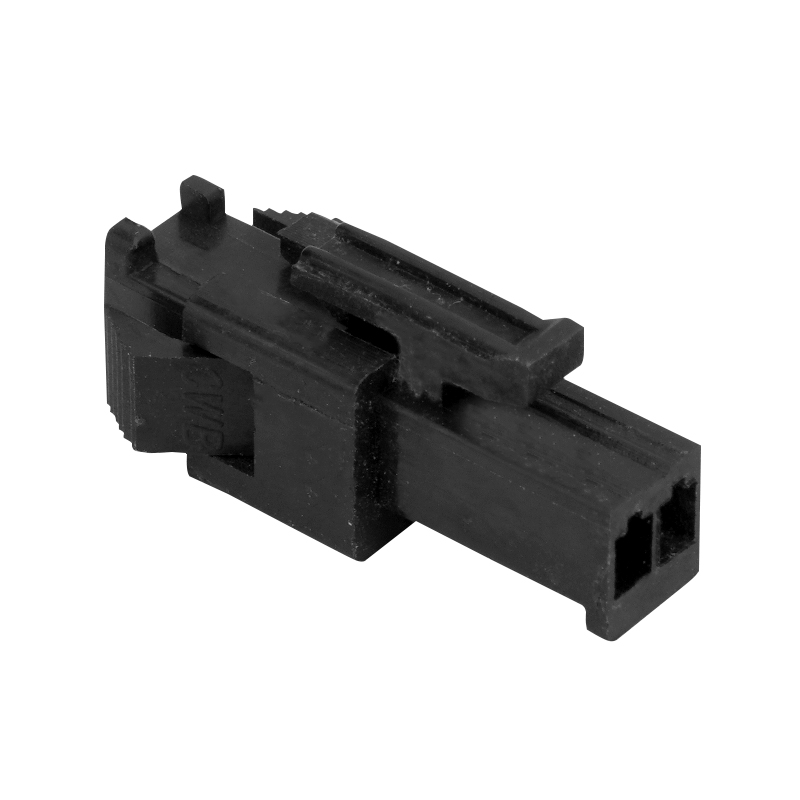
The appearance of auto connector molds is closely linked to the development of automotive electrical systems. Their evolution can be understood through several historical stages:
Early 20th Century
In the early stages of automobile production, vehicles had limited electrical components. Wiring was often connected manually using basic terminals, and there was little need for specialized connector molds.
Molds during this period focused mainly on mechanical parts rather than electrical connectors.
1930s–1950s
As lighting systems, ignition systems, and basic instrumentation became standard, the need for more reliable electrical connections increased.
Simple connector designs began to appear, and basic molds were developed to produce standardized insulating housings, often made from early plastics such as Bakelite.
1960s–1980s
The rapid expansion of vehicle electrical systems, including alternators, sensors, and entertainment systems, increased demand for consistent and mass-produced connectors.
Injection molding technology advanced during this period, allowing auto connector molds to become more precise and suitable for large-scale production.
1990s–Present
Modern vehicles rely heavily on electronic control units, safety systems, and communication networks.
Auto connector molds now require high precision to accommodate smaller, more complex connector designs made from advanced engineering plastics.
Mold design increasingly integrates considerations for automation, durability, and dimensional accuracy.
These stages show that auto connector molds did not appear suddenly but developed gradually alongside automotive electrical technology.
Auto connector molds offer several practical advantages in vehicle manufacturing. These advantages are mainly related to consistency, efficiency, and compatibility with modern production processes.
Manufacturing Consistency
Auto connector molds ensure that connectors produced in large quantities have uniform dimensions and structural features. Consistency is important because connectors must fit precisely with mating parts to ensure stable electrical connections. Mold-based production reduces variation that can occur with manual assembly methods.
Production Efficiency
Using dedicated molds allows manufacturers to produce large volumes of connectors within short production cycles. Injection molding processes enable rapid shaping of plastic materials, which supports high-output manufacturing lines commonly used in the automotive industry.
Material Compatibility
Modern auto connector molds are designed to work with various engineering plastics, such as nylon or reinforced polymers. These materials offer electrical insulation, heat resistance, and mechanical strength suitable for vehicle environments.
Design Flexibility
Auto connector molds can be customized to produce connectors of different shapes, pin arrangements, and locking mechanisms. This flexibility allows manufacturers to design connectors that meet specific requirements for different vehicle systems, such as power distribution or data transmission.
Support for Automation
Many auto connector molds are compatible with automated production and assembly systems. This supports stable quality control and reduces dependence on manual labor, which helps manufacturers maintain predictable output levels.
Despite their advantages, auto connector molds can present certain product-related issues during design, production, or use. The table below outlines common issues and their typical causes and impacts.
|
Issue |
Description |
Possible Impact |
|
Dimensional deviation |
Slight inaccuracies in mold machining or wear over time can cause connector dimensions to vary |
Poor fit, connection instability |
|
Surface defects |
Flow marks, flash, or sink marks may appear due to improper molding parameters |
Reduced appearance quality, potential assembly issues |
|
Material shrinkage |
Inconsistent cooling or incorrect material selection can cause uneven shrinkage |
Misalignment of terminals |
|
Mold wear |
Long-term use can cause wear on mold cavities and cores |
Reduced product consistency |
|
Incomplete filling |
Insufficient injection pressure or temperature may prevent full cavity filling |
Weak structural areas in connectors |
|
Cooling imbalance |
Uneven cooling channel design may lead to deformation |
Warping or stress within the connector |
These issues highlight the importance of proper mold design, material selection, and regular maintenance. Addressing such problems early helps maintain production stability and connector performance.
Recommended Products



 English
 中文简体
中文简体 русский