2026.01.02
 News
News
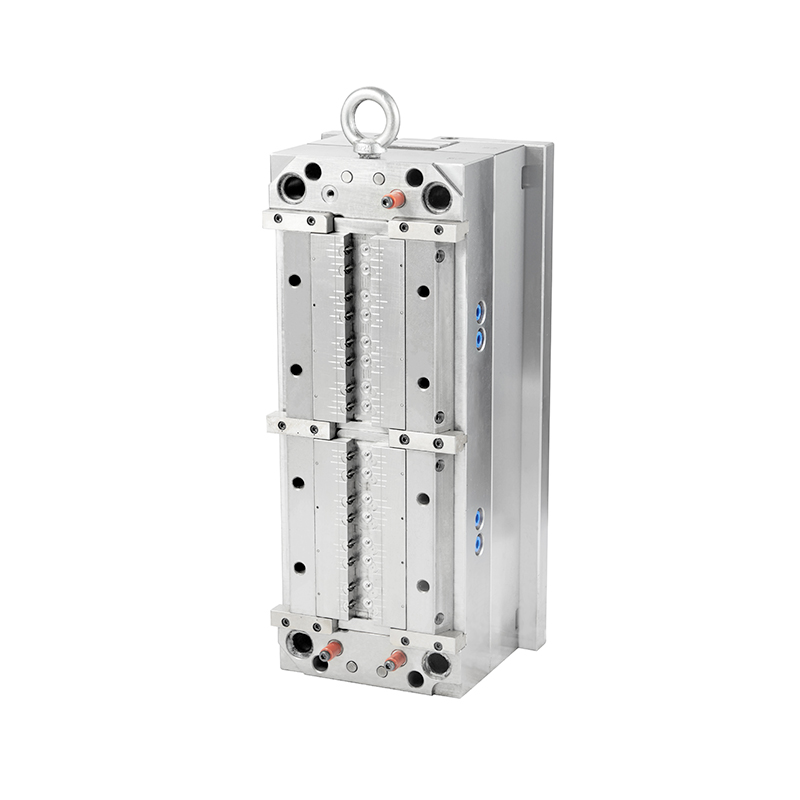
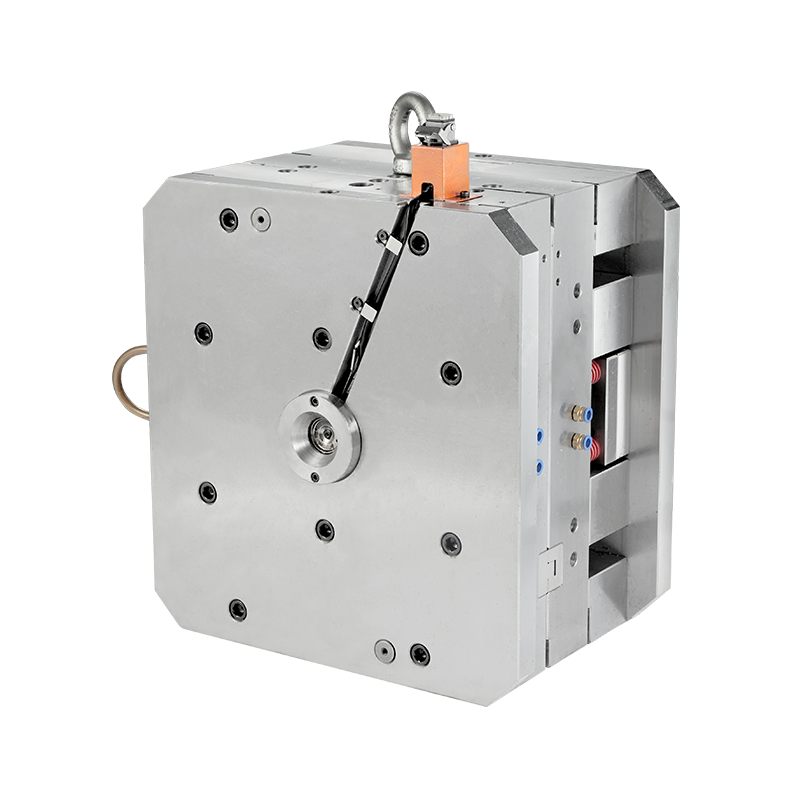
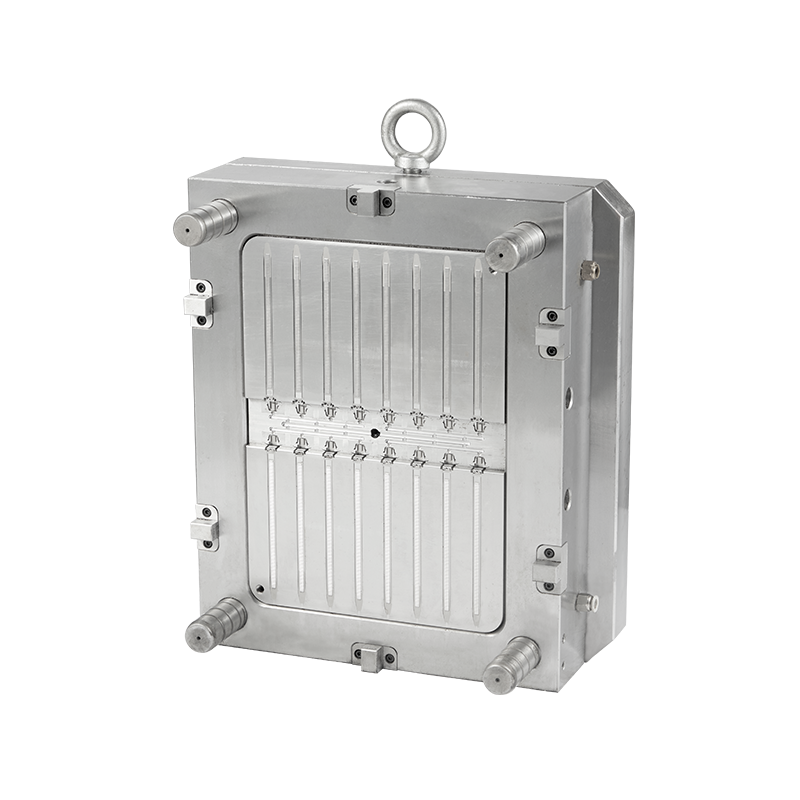
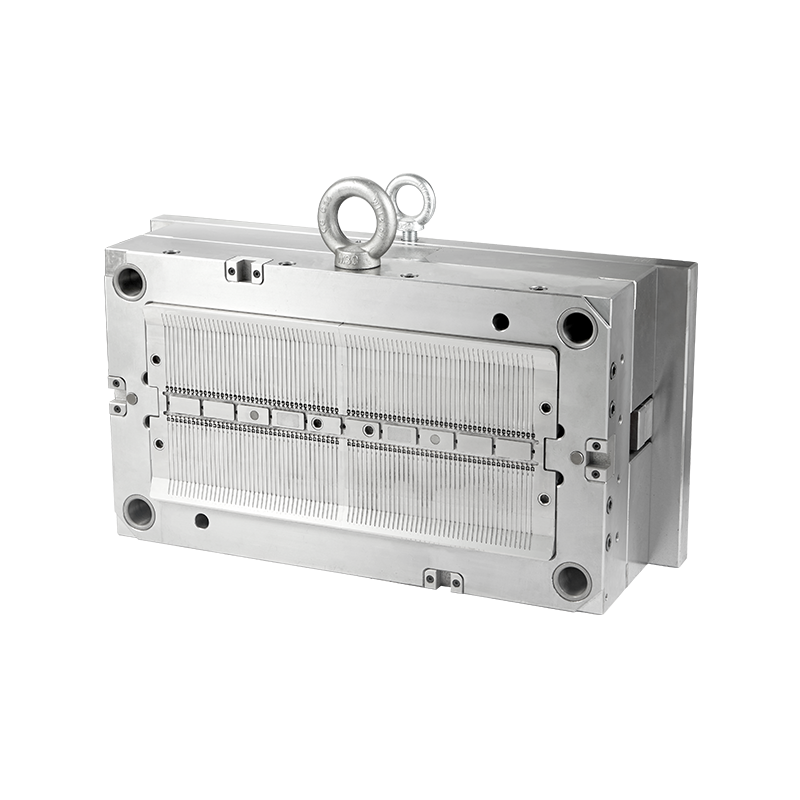
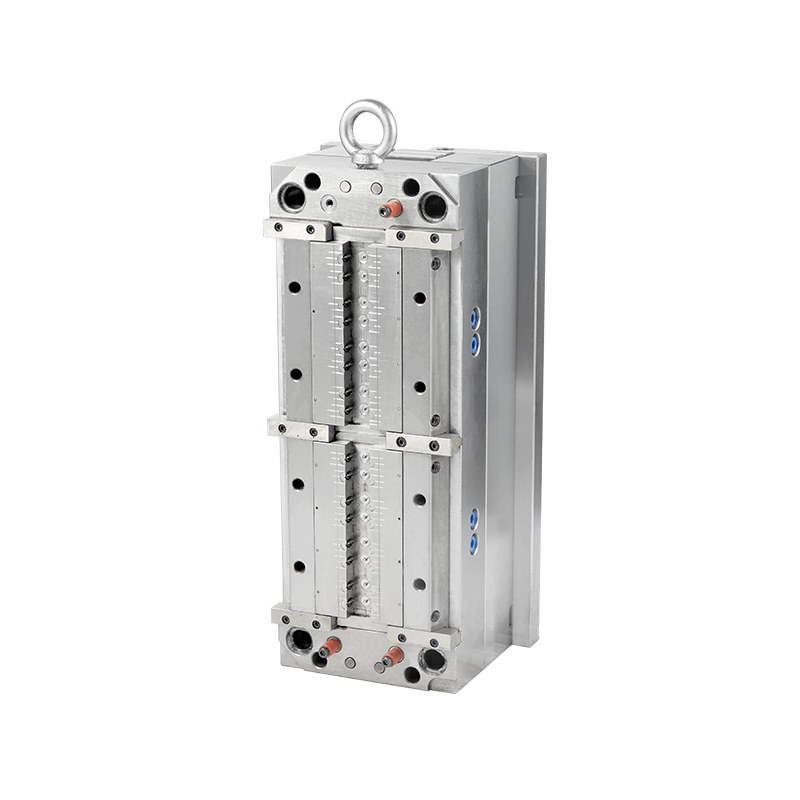
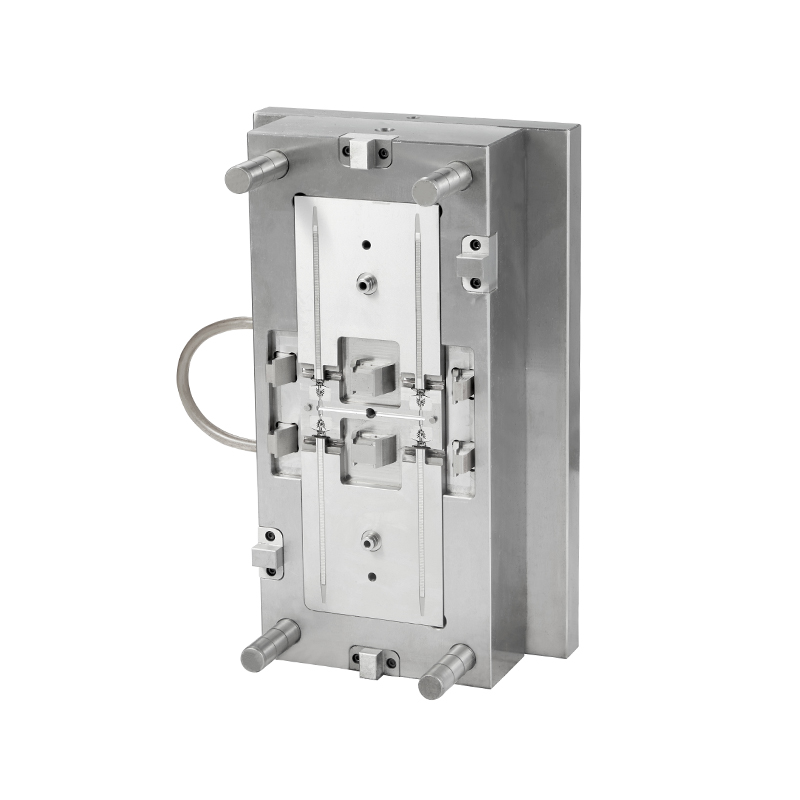
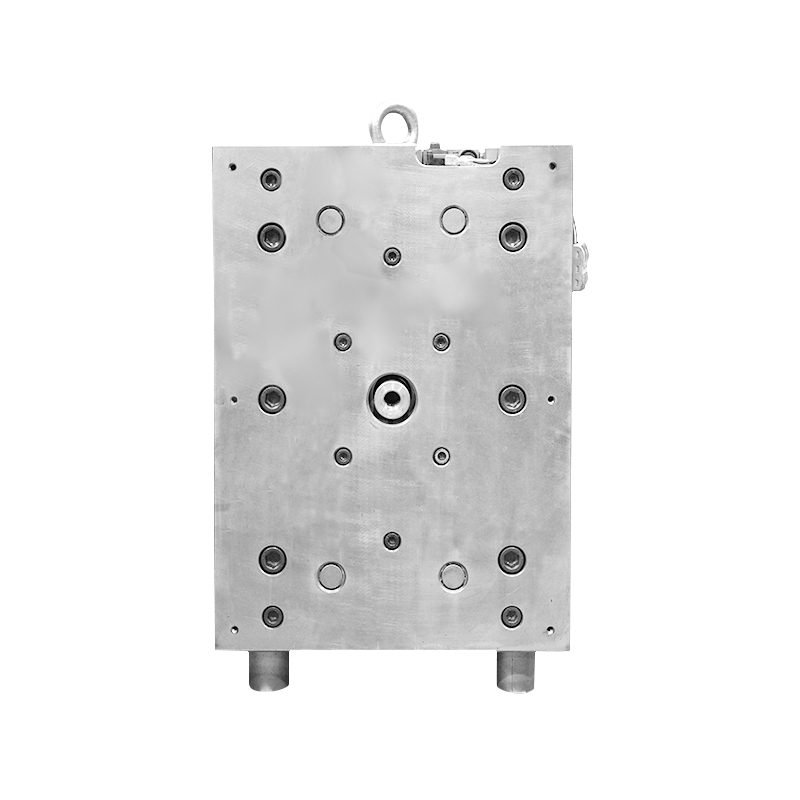
Automotive buckle molds are designed to shape and form buckle components with precision. These molds must withstand high production volumes while maintaining consistent quality. Factors such as material type, mold design, and production requirements influence the choice of mold. Typically, automotive buckle molds are classified into three categories based on their design and application: two-plate molds, three-plate molds, and hot runner molds.
Description:
Two-plate molds are the simplest and commonly used molds in automotive buckle production. They consist of a fixed plate and a movable plate, creating a cavity for forming the buckle.
Key Features:
Simple design with fewer components, making them easier to maintain.
Cost-effective for small to medium production runs.
Suitable for standard buckle designs without complex shapes.
Applications:
Used in producing basic buckle shapes for seat belts and minor fastening systems.
Ideal for manufacturers with moderate production volumes who require consistent quality.
Considerations:
Limited flexibility for complex buckle designs.
Cooling and ejection systems may need optimization for high-volume production.
Description:
Key Features:
Applications:
Considerations:
Description:
Key Features:
Applications:
Considerations:
Automotive buckle molds can be classified into three main types: two-plate molds, three-plate molds, and hot runner molds. Each classification has distinct features, advantages, and considerations depending on the production requirements and buckle design. Two-plate molds are straightforward and cost-effective for basic designs, while three-plate molds allow for more intricate designs and efficient material use. Hot runner molds provide consistent production for high-volume and detailed applications but involve higher initial investment and maintenance. Understanding these classifications enables manufacturers to choose the suitable mold, balancing efficiency, cost, and product quality. Selecting the right mold ensures consistent production, reduced waste, and a stable manufacturing process for automotive buckles.
Recommended Products



 English
 中文简体
中文简体 русский