2025.12.26
 News
News
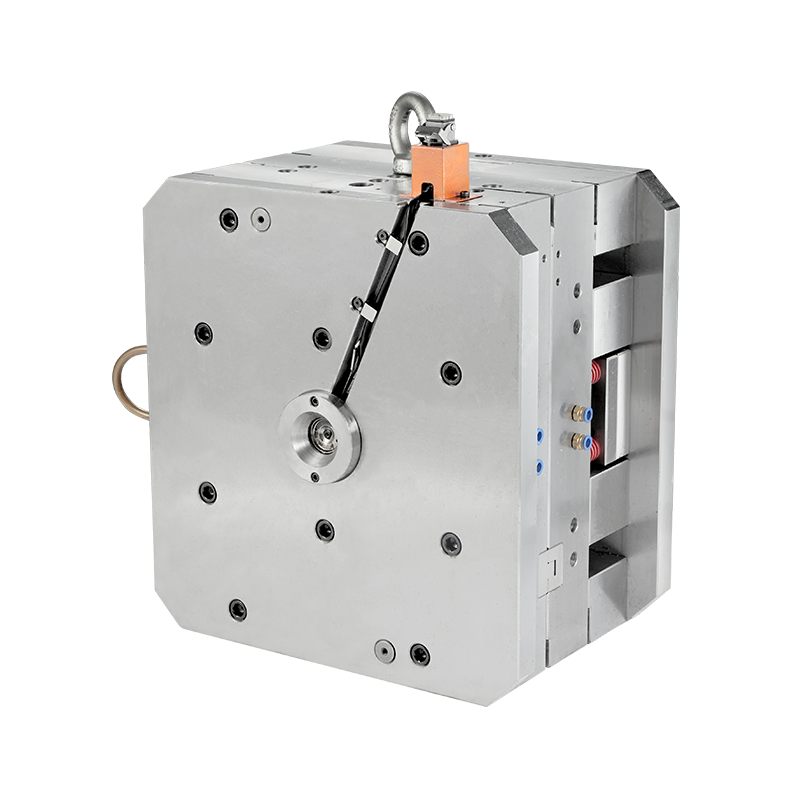
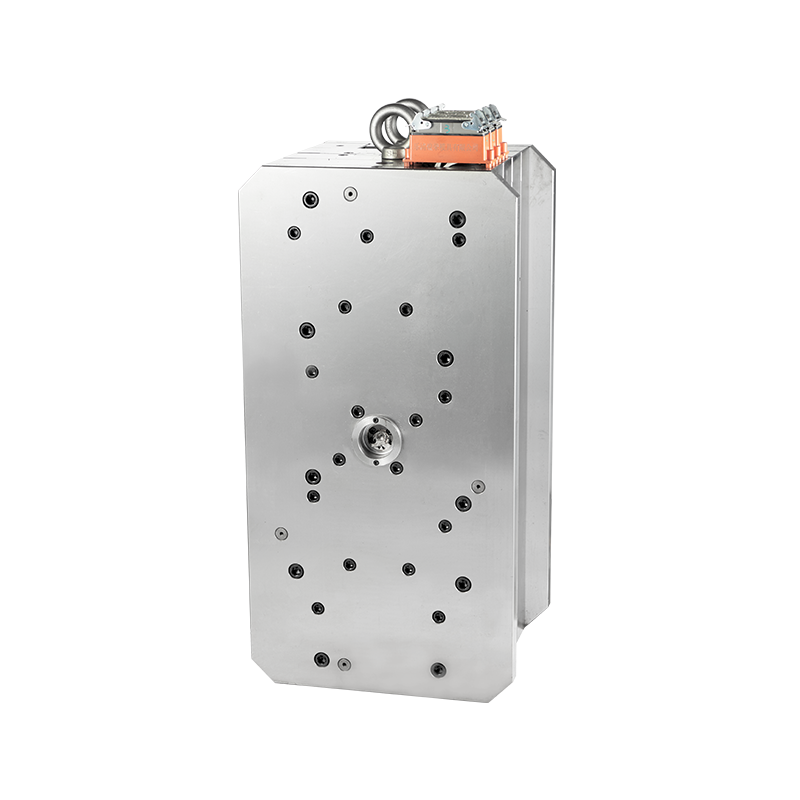
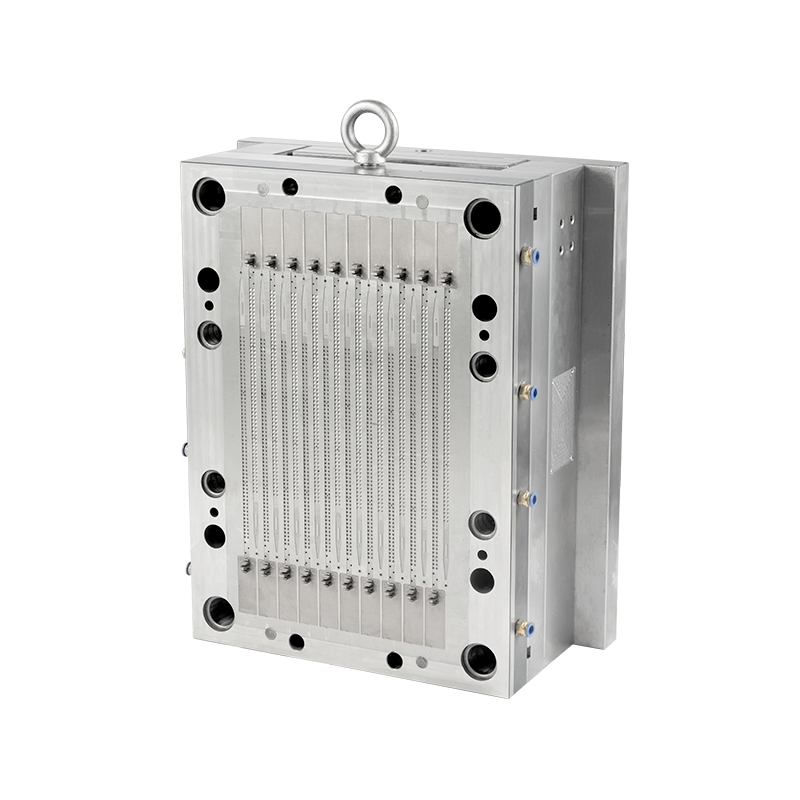
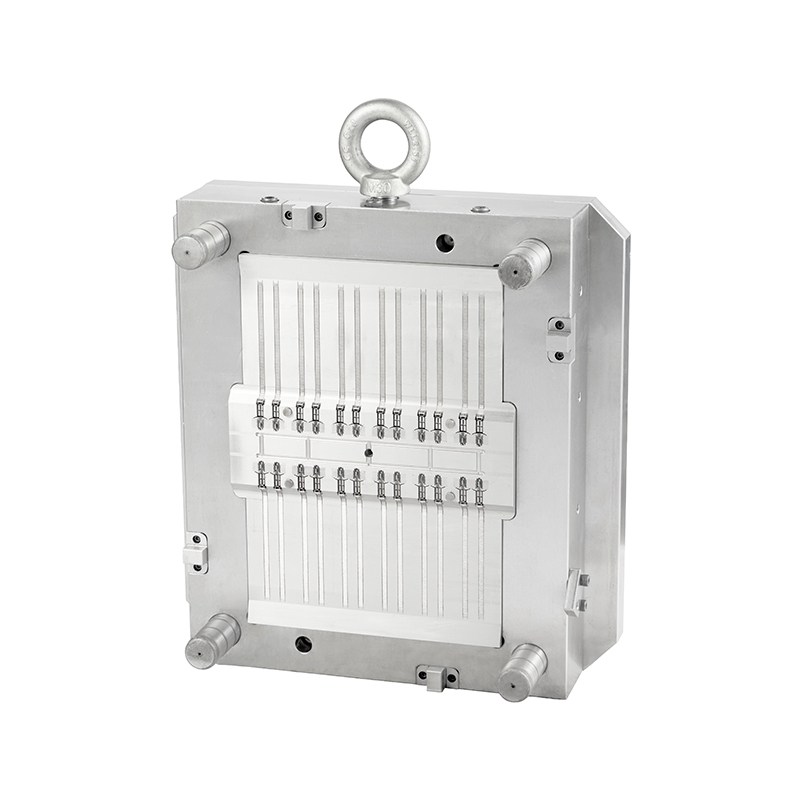
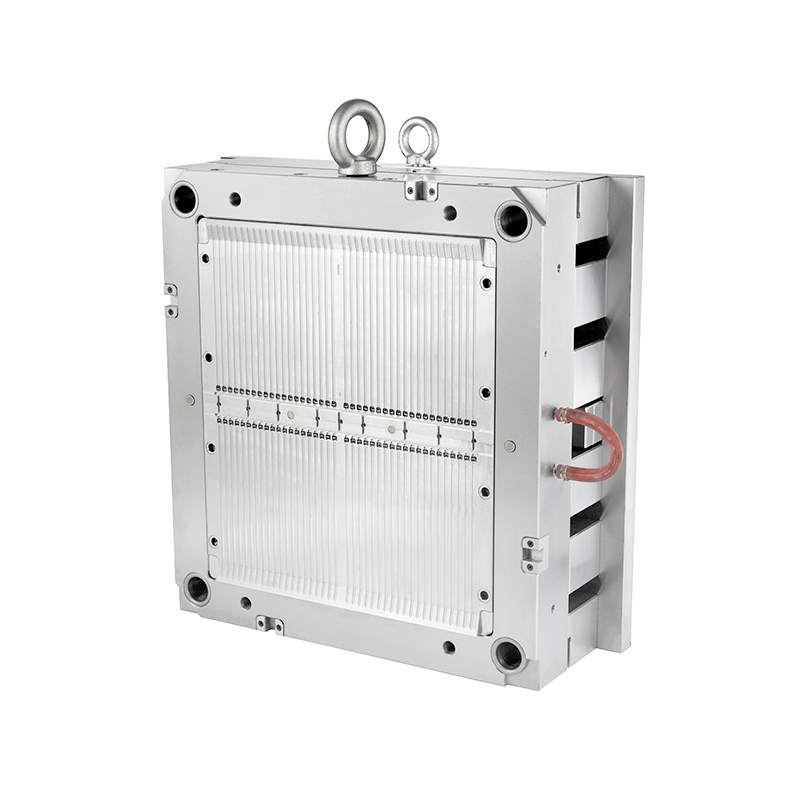
Automotive cable ties are widely used in the assembly and maintenance of vehicles, providing secure bundling and organization for wires, hoses, and other components. The molds used to produce these cable ties play a critical role in determining product quality and production efficiency.
Industry Demand
The demand for automotive cable tie molds is closely linked to the automotive manufacturing and repair sectors. Key points include:
Technological Trends
Advances in manufacturing technologies affect the potential of automotive cable tie molds. Points to consider:
Precision Mold Design: Improved mold designs enable consistent production of high-performance cable ties suitable for automotive standards.
Automation in Production: Integration with automated injection molding machines reduces cycle time and labor costs, making mold investment more appealing.
Material Innovations: Nylon and other polymer developments require molds capable of handling higher temperatures and maintaining precision.
Sustainability Considerations: Molds designed for reusable or recyclable cable ties align with industry trends toward environmentally responsible production.
Regional Market Factors
The potential of the automotive cable tie mold market varies across regions due to industrial, economic, and regulatory factors:
North America and Europe: Mature automotive markets with high standards for quality and safety, favoring precision molds.
Asia-Pacific: Rapid automotive growth in countries such as China and India increases demand for molds to support local production.
Emerging Markets: Expansion of local vehicle assembly plants creates opportunities for mold manufacturers offering cost-effective solutions.
Regulatory Influence: Safety and environmental regulations may influence material selection and mold design, affecting market dynamics.
Cost and Investment Considerations
Cost factors play an important role in determining market potential:
The market potential for automotive cable tie molds is shaped by industry demand, technological advancements, regional factors, and cost considerations. Increasing vehicle production, expanding electrical systems in automobiles, and regional growth in manufacturing all contribute to demand. Advances in mold design and automation further enhance production efficiency and product consistency. Regional differences in regulation and automotive activity also influence market opportunities, while careful consideration of cost and investment factors ensures that manufacturers can make informed decisions. Overall, the market for automotive cable tie molds demonstrates steady relevance for both new and established producers in the automotive supply chain.
Recommended Products



 English
 中文简体
中文简体 русский