2025.12.12
 News
News
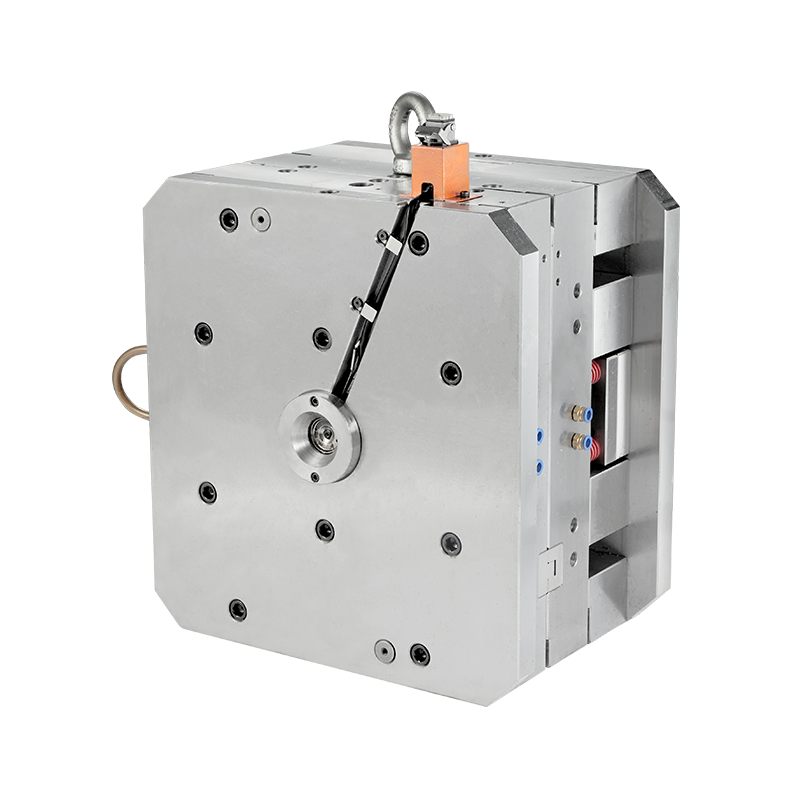
PP seal cable tie molds are widely used in the production of cable ties that secure, organize, and bundle wires across various industries. These molds directly influence product quality, consistency, and manufacturing efficiency. Many manufacturers and users have questions regarding PP seal cable tie molds, especially concerning their design, maintenance, material compatibility, and production efficiency. This essay addresses four frequently asked questions in a clear format to provide insight into these molds.
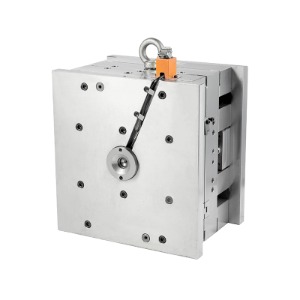
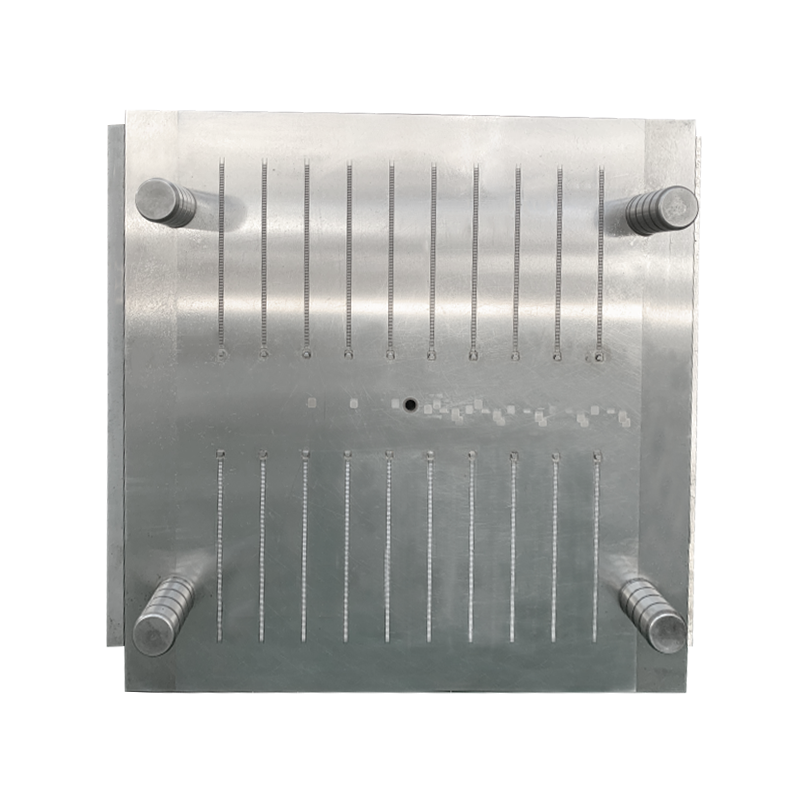
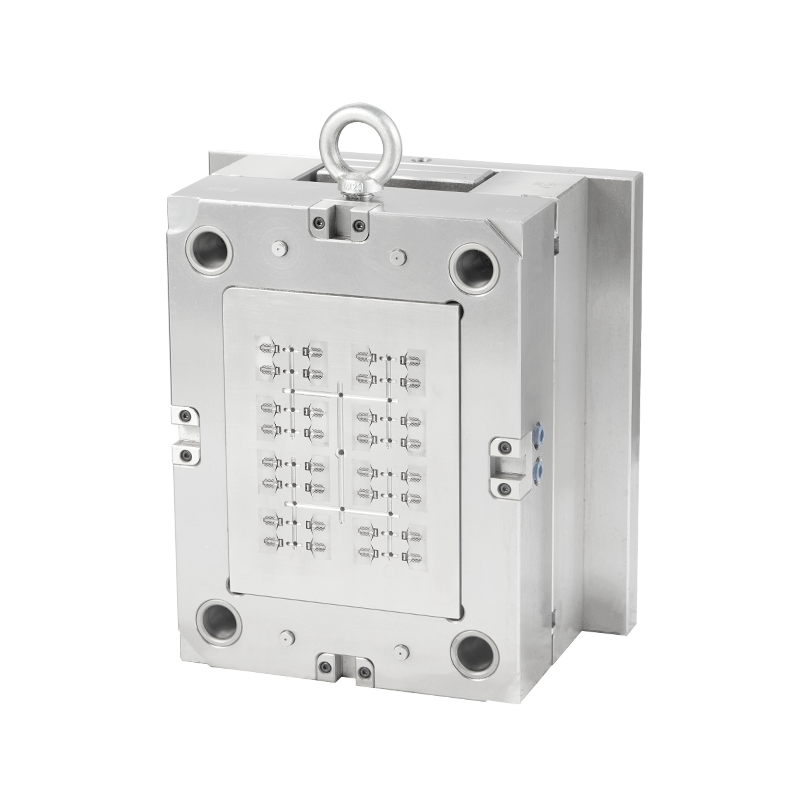
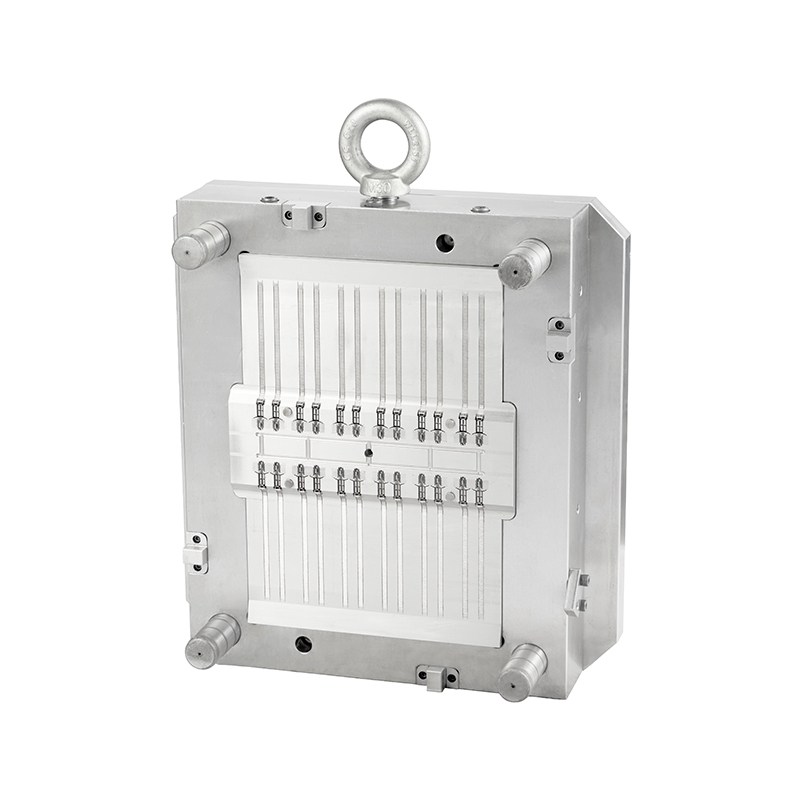
A PP seal cable tie mold is a precision tool used in injection molding machines to produce cable ties made from polypropylene. The mold consists of two halves: a cavity side and a core side, which form the shape of the cable tie when molten PP is injected under pressure. The mold typically includes features such as a locking mechanism for the cable tie head, a runner system for material flow, and ejection pins to release the finished product.
The functioning of the mold relies on careful temperature and pressure control. PP material is heated to a specific viscosity before being injected into the mold cavity. Once cooled and solidified, the mold opens, and the cable tie is ejected. The efficiency of this process depends on the mold’s precision, proper machine calibration, and the PP material’s properties. Users often focus on maintaining uniform temperature and consistent pressure to prevent defects such as incomplete filling, flash, or warping.
PP seal cable tie molds are usually made from durable steel or aluminum alloys capable of withstanding repeated injection cycles. The choice of mold material depends on production volume, cost, and required product accuracy. Steel molds, for instance, offer longer life and higher precision, making them suitable for large-scale production, while aluminum molds are lighter and more cost-effective for smaller batches.
Specifications for these molds include the cavity size, number of cavities, and the dimensional tolerance for the cable tie. The cavity must match the desired cable tie length, width, and thickness. Additionally, the mold should be designed to accommodate the PP material’s shrinkage rate during cooling. Ensuring the correct mold specification is essential for producing cable ties that consistently meet performance standards, such as tensile strength and locking reliability.
Regular maintenance is critical to prolonging the life of a PP seal cable tie mold and ensuring consistent product quality. Maintenance typically involves cleaning the mold to remove residue, lubricating moving components such as slides and ejector pins, and inspecting the mold for wear or damage.
Mold surfaces must remain smooth to prevent defects in cable ties, and any minor scratches or corrosion should be addressed promptly. Routine checks on the alignment of mold halves, tightness of bolts, and condition of the runner system are also recommended. By maintaining proper care routines, manufacturers can reduce downtime, prevent unexpected defects, and extend the functional life of the mold without relying on frequent replacements.
Several factors influence the efficiency of cable tie production using PP molds. Injection parameters such as temperature, pressure, and cooling time must be optimized for consistent cycle times. Second, the design of the mold, including the number of cavities and runner system efficiency, directly impacts output volume.
Material quality is another key factor. Using PP with consistent viscosity and minimal contamination reduces the risk of defects and machine stoppages. Furthermore, the precision of the injection molding machine itself, combined with the mold’s alignment and proper maintenance, ensures smooth operations. Efficient production is achieved through a combination of proper mold design, controlled material properties, and regular operational oversight.
PP seal cable tie molds are essential tools in the production of cable ties, and understanding their function, material requirements, maintenance, and efficiency factors is important for manufacturers. By addressing these common questions, users can ensure that molds operate effectively, produce consistent products, and maintain productivity without unnecessary interruptions. Proper attention to mold design and care ultimately supports reliable cable tie production suitable for various industrial and domestic applications.
Recommended Products



 English
 中文简体
中文简体 русский