2025.12.05
 News
News
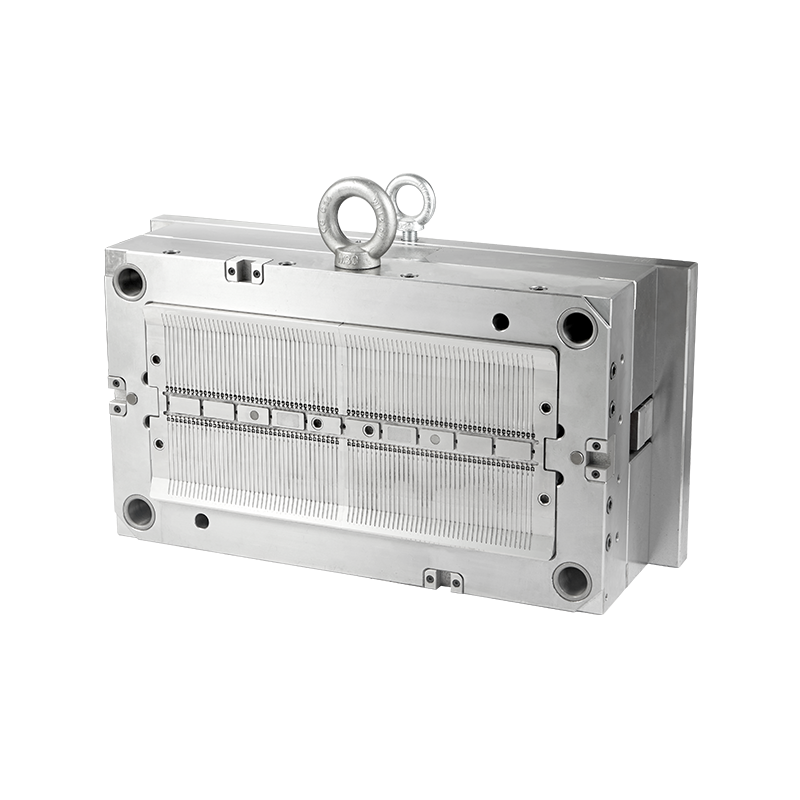
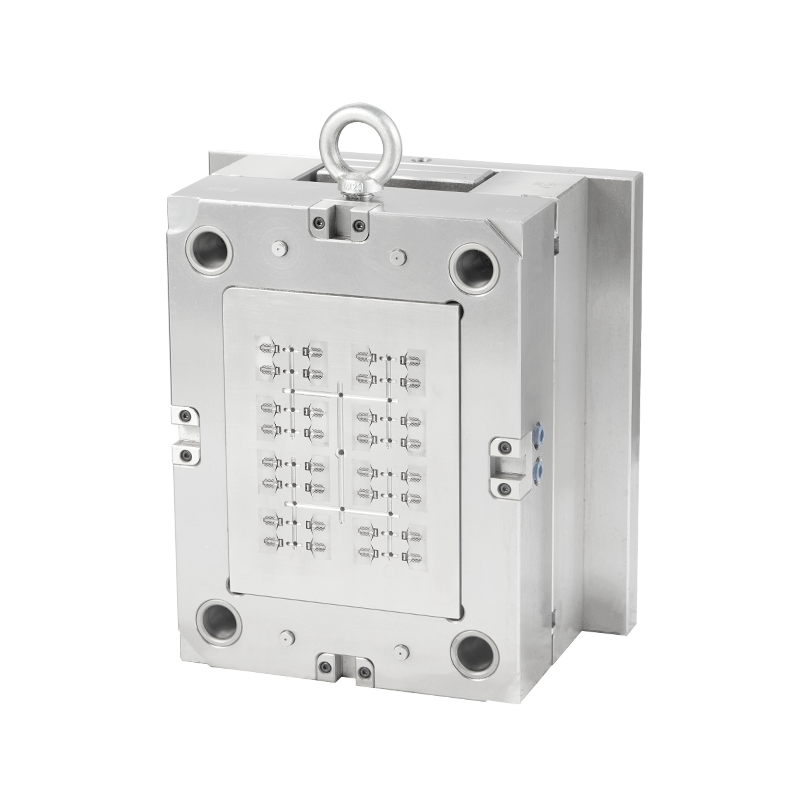
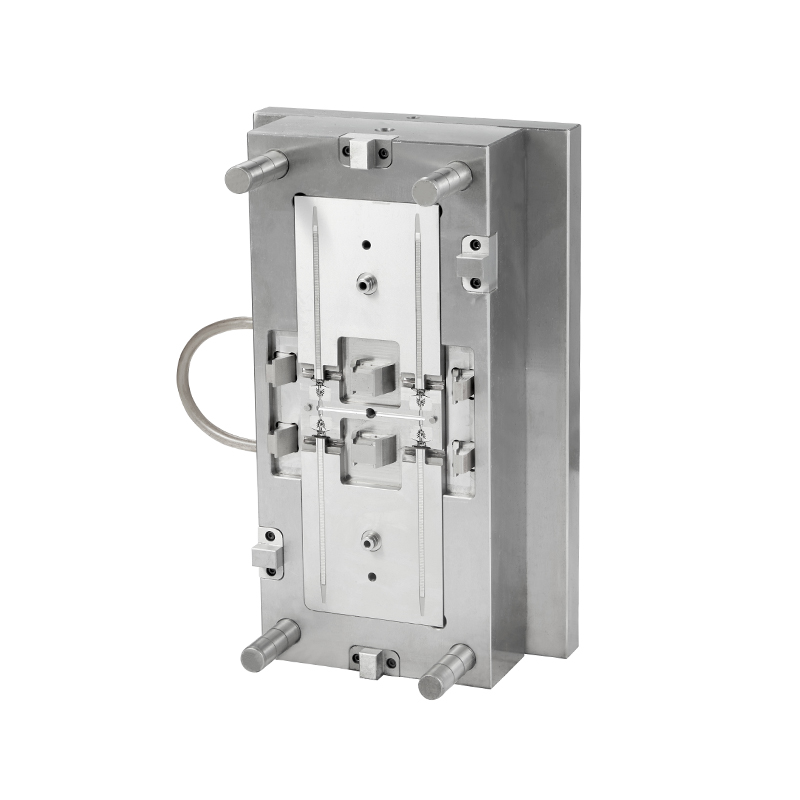
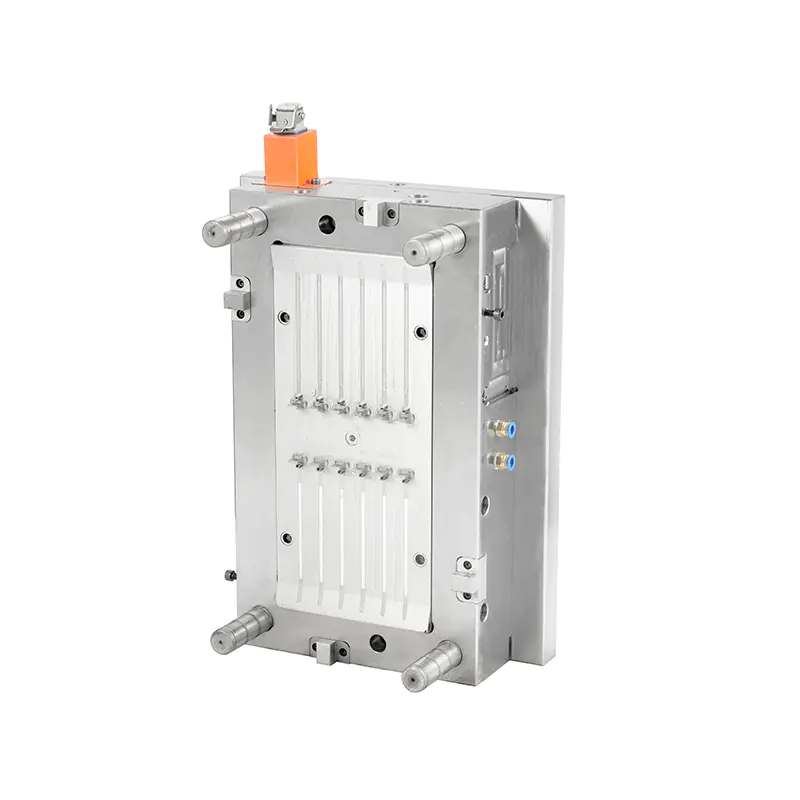
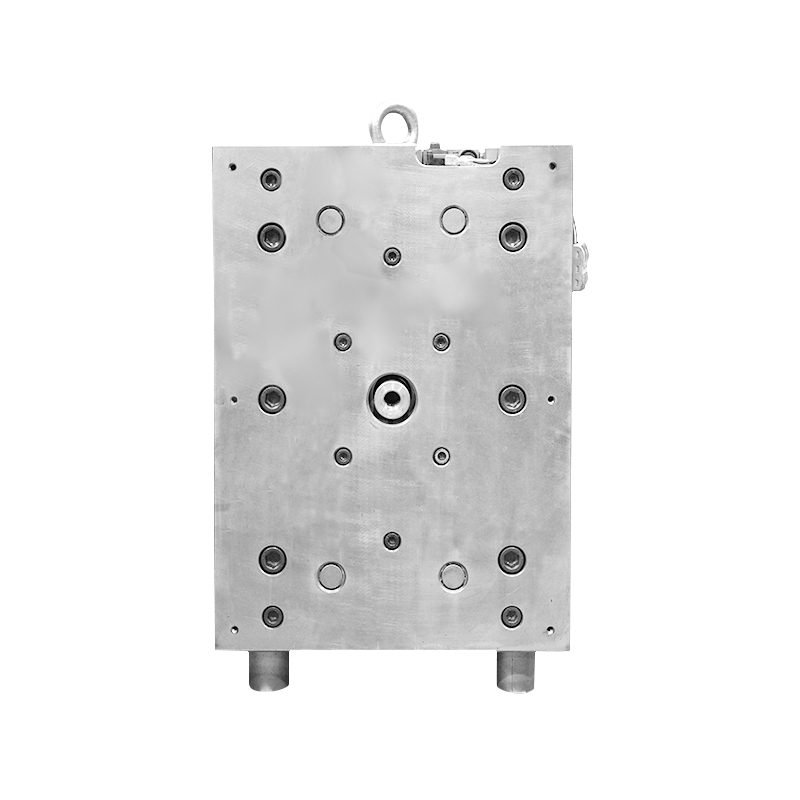
Choosing the right nylon cable tie mold involves considering multiple technical and operational factors. This essay explores key aspects to evaluate when selecting a mold, providing guidance for manufacturers and engineers.
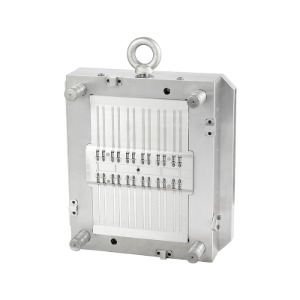
Material Considerations
One of the factors to consider is the mold material. High-quality steel is commonly used for nylon cable tie molds due to its durability and resistance to wear. Steel molds ensure consistent shape and size over multiple production cycles. Additionally, the type of steel, such as P20 or H13, affects the mold’s resistance to heat and abrasion. Manufacturers should match the mold material with their production volume and the type of nylon used, as certain nylons require higher temperature tolerance during injection.
Mold Design
The design of the mold directly influences the efficiency and quality of cable ties. Key design elements include the number of cavities, gate type, and runner system. Multi-cavity molds allow the production of several cable ties in one cycle, increasing output. The gate type affects the material flow and reduces the chance of defects. A balanced runner system ensures uniform filling of all cavities, differences in tie quality. Evaluating these factors helps manufacturers achieve a stable production process.
Mold Size and Compatibility
Mold size should match the injection molding machine. Oversized molds may not fit properly, operational issues and increased cycle times. Compatibility with the machine’s clamping force is crucial. Additionally, the mold should accommodate the intended cable tie dimensions, such as length, width, and thickness. Manufacturers must ensure that the mold can produce the range of cable ties required for their applications.
Cooling and Ejection Systems
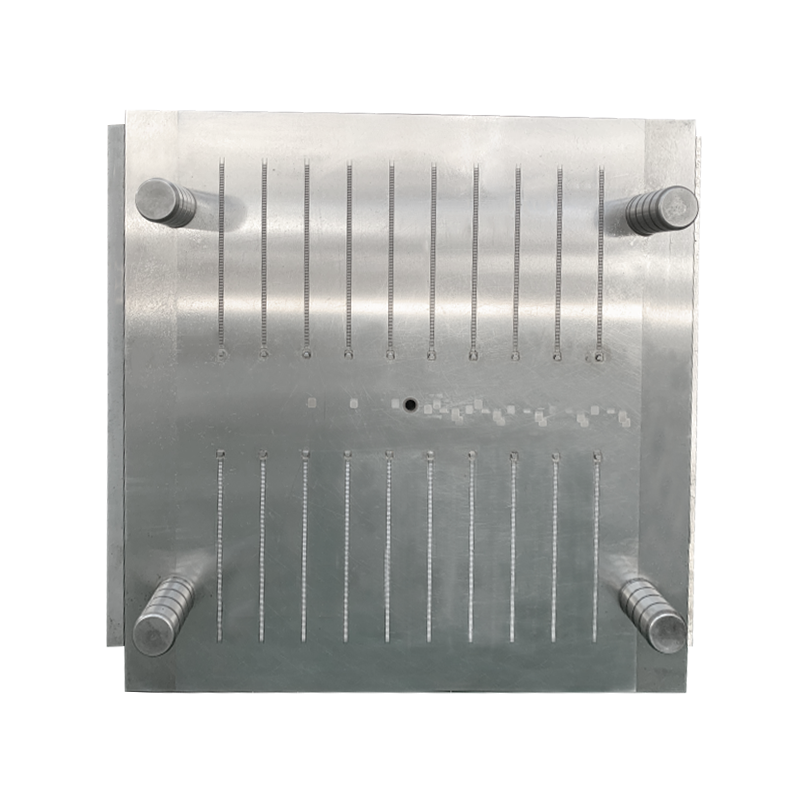
Efficient cooling channels are essential in a mold to maintain consistent cycle times and prevent deformation of the cable ties. Proper cooling reduces residual stress in the nylon, improving the tie’s performance. The ejection system also plays a vital role. Pins or plates used to remove finished products must operate smoothly to prevent damage. Evaluating both cooling and ejection systems ensures long-term production stability.
Maintenance and Longevity
Maintenance requirements affect the overall cost and efficiency of production. Molds that are easier to clean and maintain reduce downtime and extend service life. Features such as modular inserts allow for easy replacement of worn parts without replacing the entire mold. Manufacturers should consider the ease of maintenance when selecting a mold, balancing initial cost with operational longevity.
Cost Considerations
While cost is an important factor, it should not be the sole criterion. Low-cost molds may more frequent replacements, higher defect rates, or inconsistent product quality. Conversely, investing in a well-designed mold can reduce operational issues, improve efficiency, and provide consistent cable tie quality. Manufacturers should consider both upfront cost and long-term benefits when making a decision.
The following table summarizes key considerations when choosing a nylon cable tie mold:
|
Factor |
Consideration |
Impact on Production |
|
Material |
Type of steel (P20, H13) |
Durability, heat resistance |
|
Mold Design |
Number of cavities, gate type, runner system |
Production efficiency, product consistency |
|
Size and Compatibility |
Fit with injection molding machine, tie dimensions |
Operational compatibility, product range |
|
Cooling System |
Efficient channels for heat removal |
Cycle time, tie deformation |
|
Ejection System |
Smooth pins or plates |
Product quality, reduced damage |
|
Maintenance |
Ease of cleaning, replaceable inserts |
Downtime, service life |
|
Cost |
Initial price vs. long-term benefits |
Overall production cost and efficiency |
Recommended Products



 English
 中文简体
中文简体 русский