2026.07.02
 News
News
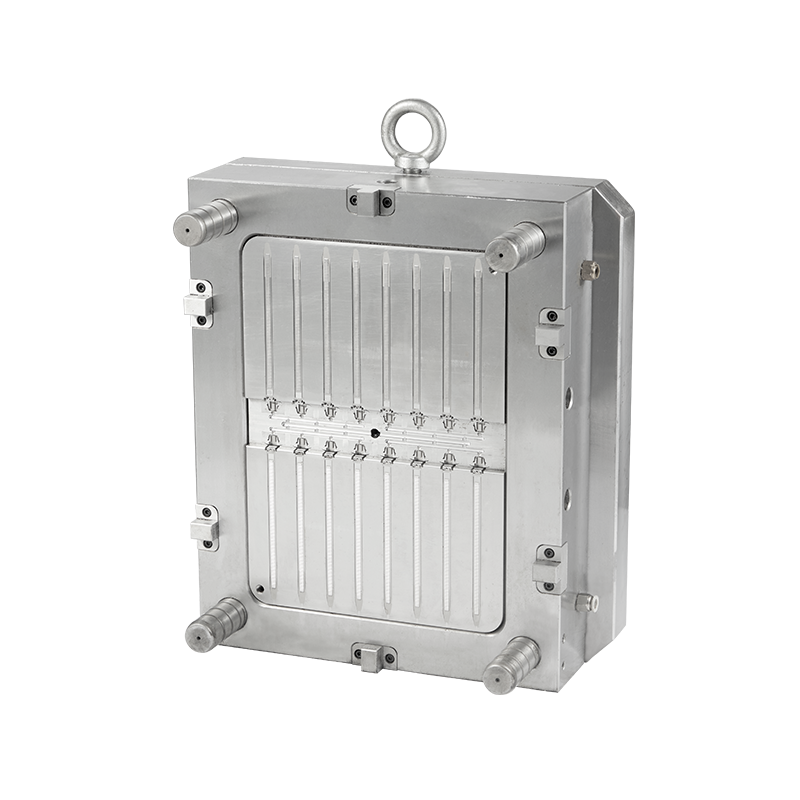
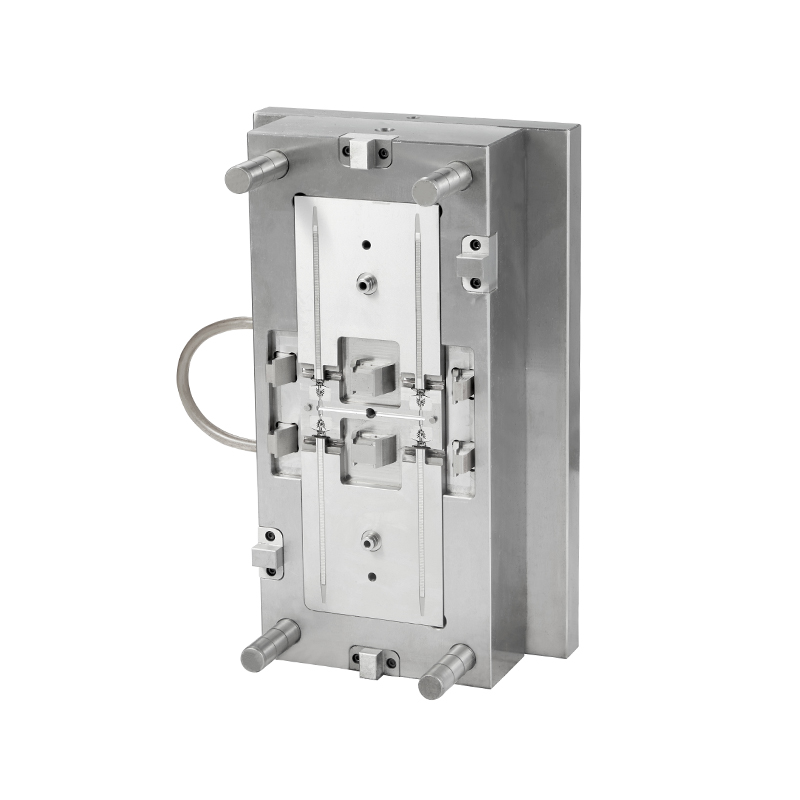
Dimensional drift at a microscale often becomes the silent challenge in high-accuracy plastic manufacturing. Components produced by a plastic precision mold may look visually correct, yet still fail flatness or alignment tests at the micron level. This phenomenon is not random; it originates from a combination of thermal imbalance, molecular orientation stress, and structural asymmetry inside the molded geometry.
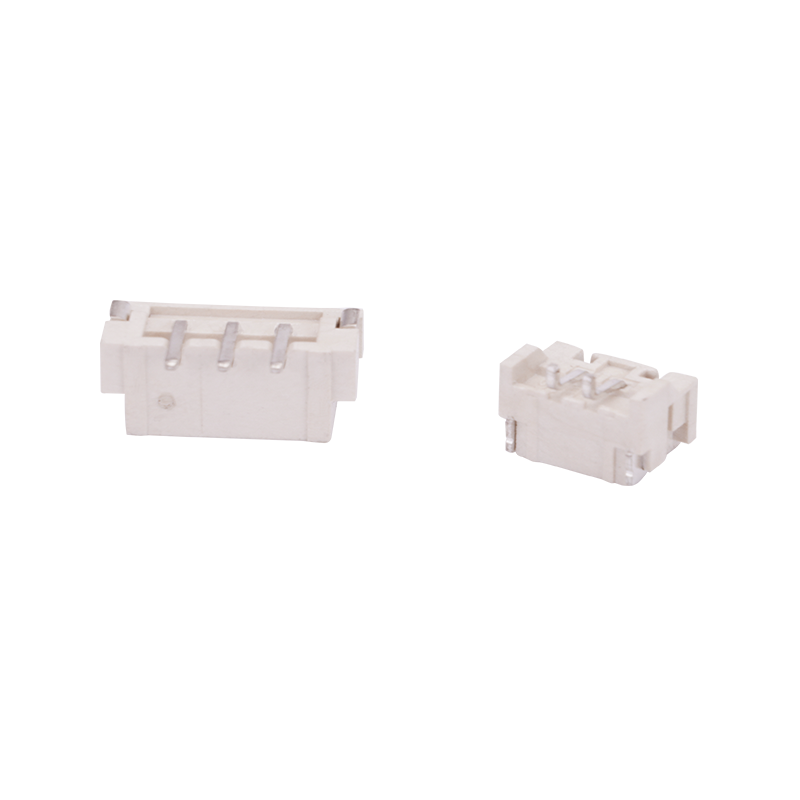
Unlike obvious deformation, micro warpage develops subtly during cooling and stabilizes after ejection. Automotive connectors, cable tie structures, and thin-wall housings are especially sensitive because their stiffness margins are limited. Even a deviation of 0.1–0.3 mm can affect assembly behavior in automated production lines.
Cooling variation remains one of the strongest contributors to micro deformation. Research shows uneven cooling channels or temperature differences greater than 5–10°C across cavity zones can trigger uneven shrinkage patterns.
A precision mold for automotive-grade components typically operates with cavity temperature control between 40°C and 80°C depending on resin type. Any imbalance inside this range still produces micro-scale internal stress accumulation, later released as subtle bending or twisting.
Polymer chains inside molten resin align along the flow direction under injection pressure. This alignment creates anisotropic shrinkage after cooling. Semi-crystalline materials such as PA or PP show stronger directional contraction than amorphous plastics.
This internal stress distribution does not immediately deform the part. Instead, it relaxes gradually at room temperature, which explains why micro warpage often appears hours after molding instead of instantly.
Geometry complexity directly determines stress concentration points. A plastic precision mold used in automotive parts often contains ribs, bosses, snap-fit structures, and long flow paths, all of which introduce uneven shrinkage behavior.
Warpage risk increases significantly when wall thickness variation exceeds 30%. Even slight imbalance forces one region to solidify earlier while adjacent zones remain semi-molten, pulling the geometry into micro distortion.
Injection process stability strongly affects final dimensional accuracy. Micro warpage frequently originates from small fluctuations in pressure holding time, melt temperature, or injection speed.
| Parameter | Stable Range | Effect on Warpage |
| Melt temperature | 200–260°C | High deviation increases shrink imbalance |
| Mold temperature | 40–80°C | Uneven cavity cooling triggers bending |
| Holding pressure | 40–80% of injection pressure | Insufficient packing causes internal void stress |
| Cooling time | 8–25 seconds | Short cycles trap residual deformation stress |
Small fluctuations inside these ranges are often enough to shift stress distribution patterns, especially in thin-wall automotive components.
Gate design determines how molten resin fills the cavity. Uneven filling speed generates flow-front imbalance, which directly contributes to micro warpage formation.
Automotive cable tie and connector molds are especially sensitive due to narrow flow channels. Even a minor delay in melt arrival between cavity sections may result in uneven crystallization structure.
| Root Factor | Behavior Type | Typical Affected Parts |
| Cooling imbalance | Thermal shrink distortion | Flat panels, housings |
| Material orientation | Molecular stress relaxation | Connectors, clips |
| Geometry asymmetry | Structural bending force | Long strips, cable ties |
| Process instability | Pressure-induced deformation | Thin-wall precision parts |
Micro warpage is difficult to detect during molding because the part still fits within nominal tolerance immediately after ejection. However, stress relaxation continues over time. This delayed deformation is especially critical in automotive assemblies where snap-fit accuracy and alignment precision are required.
Advanced tooling strategies such as conformal cooling channels, optimized gate positioning, and balanced cavity layout are commonly used to stabilize internal stress distribution and reduce deformation risk.
Micro warpage is not a single defect but a combined response of thermal physics, polymer chemistry, and structural design behavior inside injection systems. A plastic precision mold operates at the boundary of these interactions, where even minor imbalance in heat, flow, or geometry may translate into measurable distortion.
Understanding these mechanisms allows engineers to anticipate deformation patterns earlier in the design stage rather than correcting them after production, improving long-term dimensional reliability across automotive plastic applications.
Recommended Products



 English
 中文简体
中文简体 русский