2026.02.13
 News
News
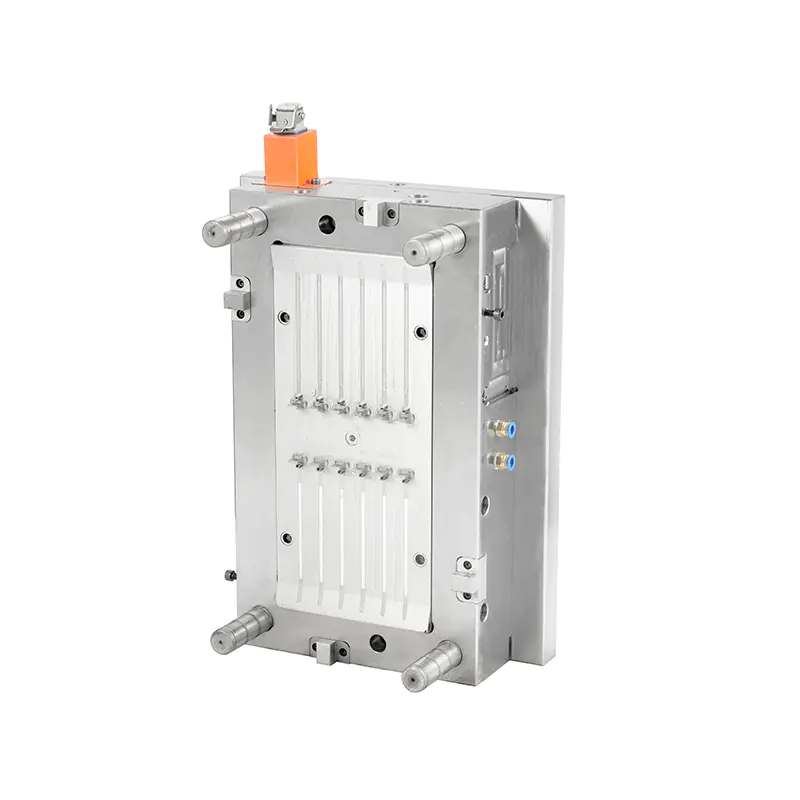
Automotive cable tie molds differ from standard cable tie molds in several key aspects:
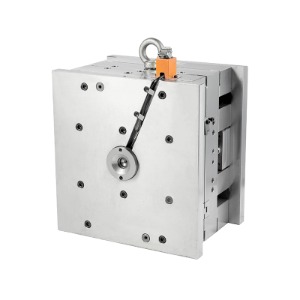
Higher Precision Requirements:
Automotive cable ties must meet strict dimensional tolerances to ensure reliable locking performance and fit in tight spaces. Molds are designed with precise cavity dimensions and tight alignment to achieve consistent quality.
Material Compatibility:
Automotive cable ties are often made from nylon 66 or high-temperature nylon, which can withstand elevated temperatures and harsh environments. Molds must be designed to handle higher melt temperatures and maintain stable cavity temperature.
Durable Mold Steel:
Automotive molds often use higher-grade mold steels such as H13 or S136, which provide better wear resistance and longer service life under high-cycle production.
Enhanced Cooling and Venting:
To maintain consistent part quality and reduce cycle time, automotive molds usually feature optimized cooling channels and venting systems that help control temperature and prevent defects.
Multi-Cavity Design:
To meet high-volume automotive production demands, molds often include multiple cavities, producing several ties per cycle. This improves output and reduces unit cost.
Automotive cable ties are widely used across various systems in vehicles, including:
Wiring Harness Bundling:
Cable ties secure wiring harnesses throughout the vehicle, including under the dashboard, in door panels, and in the engine compartment.
Engine Bay Components:
High-temperature cable ties are used to secure hoses, wiring, and protective sheaths near the engine where heat exposure is common.
Underbody and Chassis Applications:
Cable ties help secure brake lines, sensor wires, and other components along the vehicle's underbody, where exposure to water, dirt, and vibration is frequent.
Interior Trim and Accessories:
Cable ties are used for routing and securing wires behind interior panels, dashboards, and infotainment systems.
Electrical and Lighting Systems:
Automotive cable ties organize wiring for lighting systems, sensors, and control modules, helping maintain system reliability and ease of maintenance.
Cavity Number and Output Requirements:
Choose between single-cavity or multi-cavity molds based on production volume. Multi-cavity molds increase output but require higher machine capacity.
Material and Temperature Requirements:
Verify the mold's compatibility with nylon 66 or other high-temperature materials. Ensure the mold can handle the required melt temperature and maintain stable cavity temperature.
Mold Steel and Durability:
Consider molds made from H13, S136, or other high-wear-resistant steels for long service life, especially for high-cycle automotive production.
Cooling System Design:
Efficient cooling channels reduce cycle time and help prevent warpage. Proper cooling is essential for maintaining consistent tie dimensions.
Precision and Tolerance Control:
Look for molds with high-precision machining and stable alignment features to ensure consistent locking performance.
After-Sales Support and Maintenance:
Choose suppliers who provide technical support, spare parts, and repair services to reduce downtime and maintain production stability.
Common defects in automotive cable tie production include flash, incomplete filling, warpage, and weak locking strength. These issues can be addressed by:
Adjusting Injection Parameters:
Increase injection pressure or speed to improve filling, or reduce pressure to avoid flash.
Improving Mold Temperature Control:
Ensure uniform heating and cooling to prevent warpage and inconsistent dimensions.
Checking Material Quality:
Use properly dried nylon material to reduce moisture-related defects, such as bubbles or surface roughness.
Optimizing Runner and Gate Design:
Ensure the runner system provides stable flow and balanced filling to each cavity, reducing short shots.
Regular Mold Maintenance:
Inspect and maintain the mold's locking mechanism, ejector pins, and cavity surface to avoid wear-related defects.
Recommended Products



 English
 中文简体
中文简体 русский