2026.02.06
 News
News
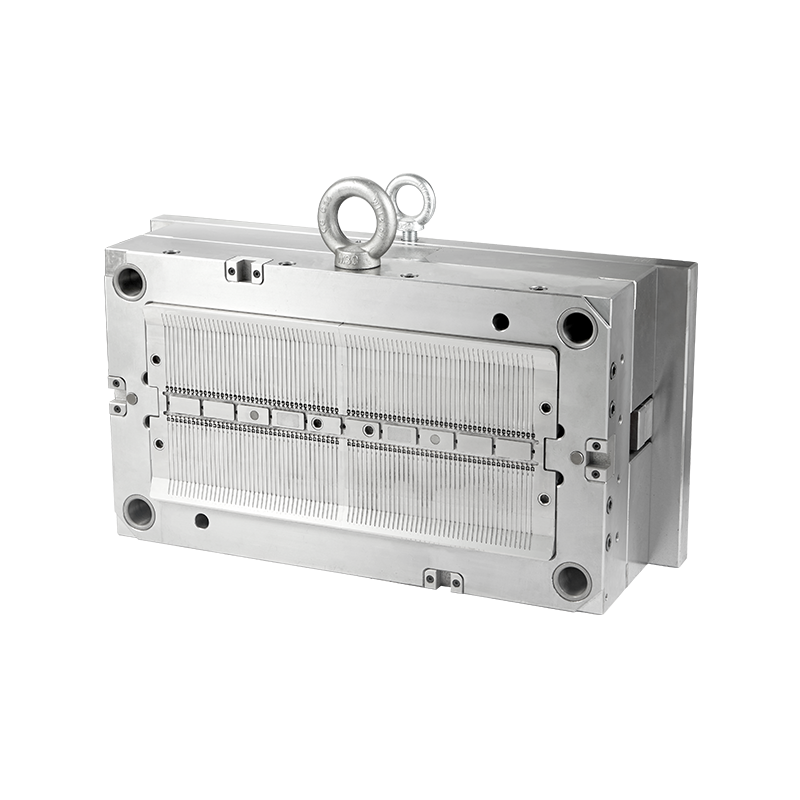
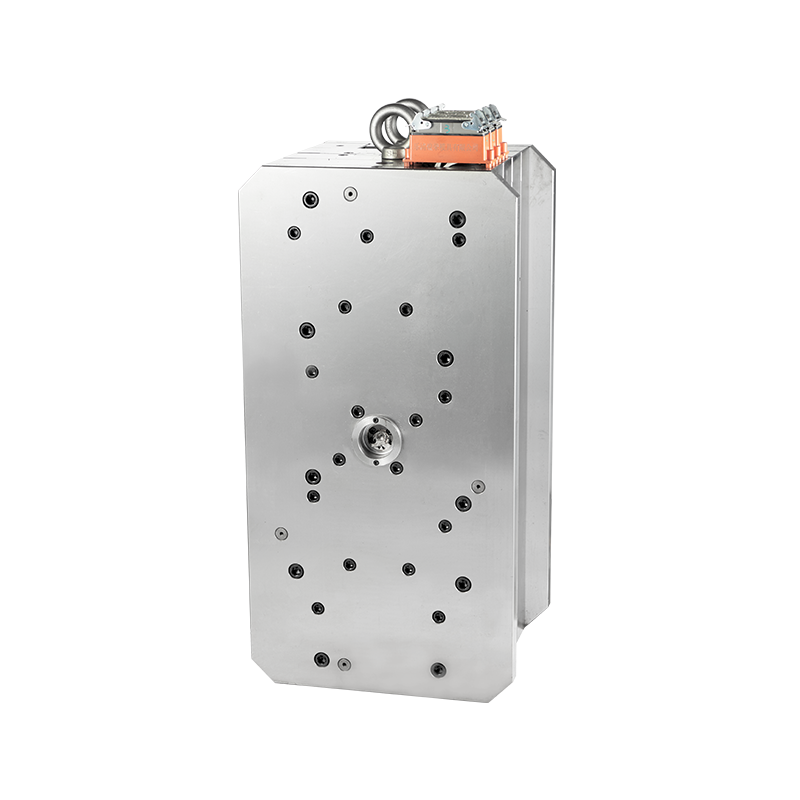
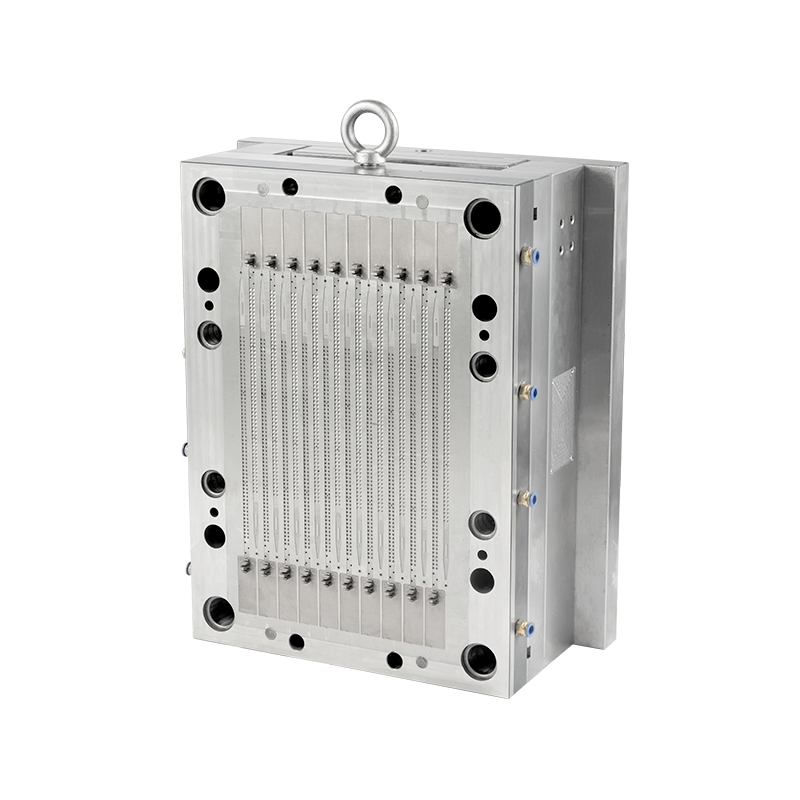
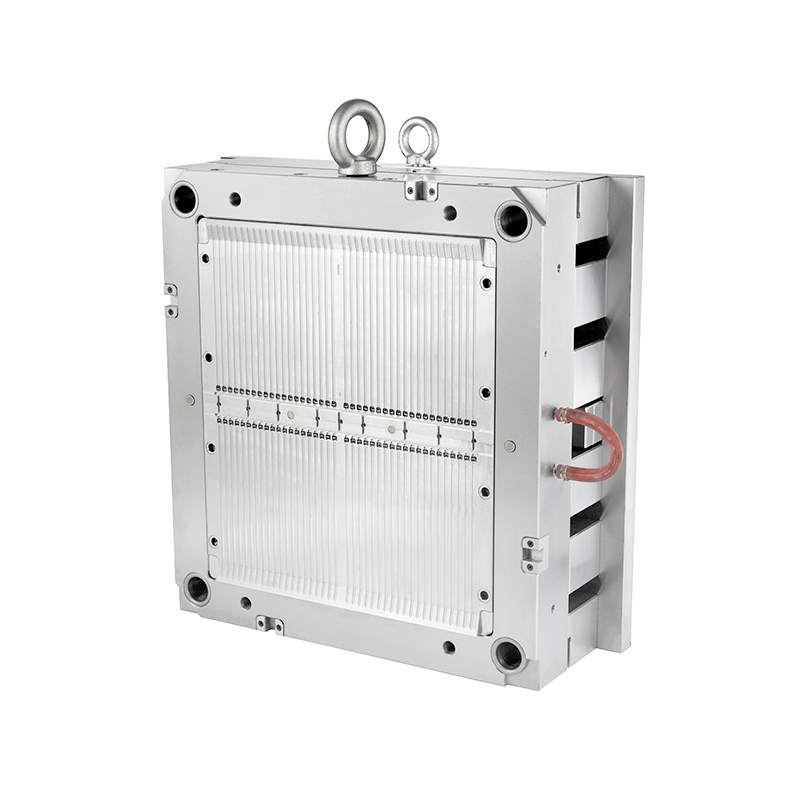
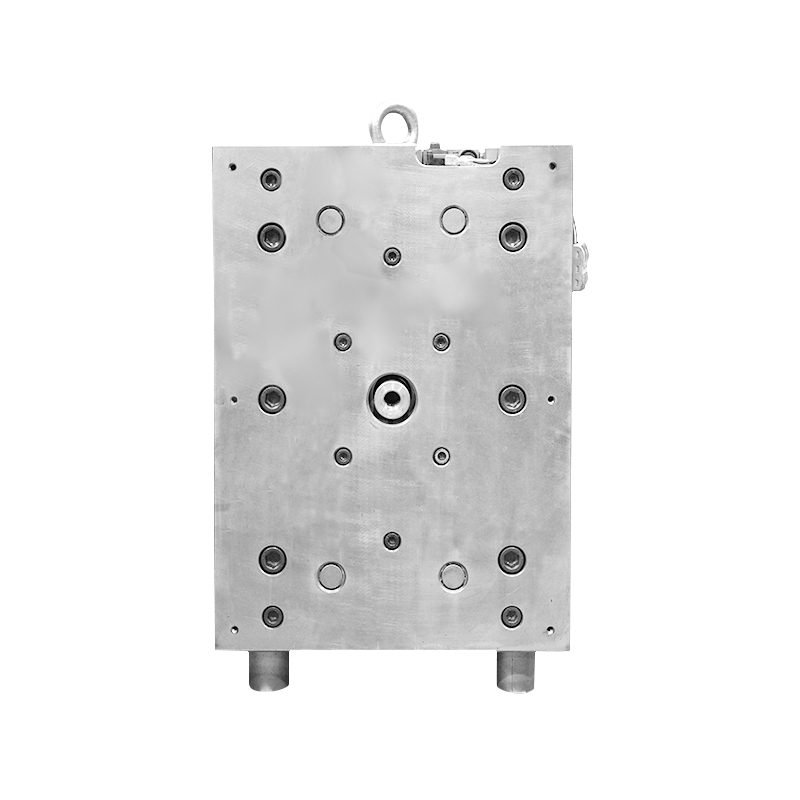
Nylon cable tie molds are essential tools in the production of cable ties, which are widely used for bundling, securing, and organizing cables in various industries. These molds are typically made from high-quality steel and are designed to withstand high-pressure injection molding processes. The performance of a mold depends on its design, material, and compatibility with molding machines.
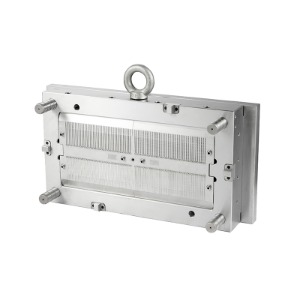
Injection Molding Machine Power (Main Motor):
The primary power requirement depends on the size and output of the injection molding machine. For cable tie production, machines commonly range from 50 kW to 150 kW, with larger machines used for high-volume manufacturing. This power supports the injection, clamping, and screw rotation functions.
Clamping Force Requirement:
Clamping force is a critical parameter rather than direct power. Cable tie molds typically require clamping forces from 50 to 150 tons, depending on the mold size and cavity number. Adequate clamping force prevents flash and ensures consistent part quality.
Heating System Power:
The mold heating system, which maintains stable temperature, typically consumes 1 kW to 5 kW depending on the mold size and number of heating zones. Uniform heating helps ensure consistent melting and flow of nylon material.
Cooling System Power:
Cooling water circulation is essential for cycle time and part stability. Cooling systems often use pumps rated 0.5 kW to 2 kW, depending on flow rate and mold complexity.
Total Energy Consumption:
The overall energy consumption for the molding process depends on cycle time, material type (nylon 6/66), and production volume. On average, a cable tie production line may consume several hundred kWh per day, with power usage varying by operational intensity.
Cable Management in Electrical Installations
Nylon cable ties are primarily used to organize and bundle electrical wires and cables in residential, commercial, and industrial settings. They help maintain neat wiring layouts and reduce the risk of tangling.
Automotive Wiring Harness Production
In the automotive industry, cable ties are used extensively to secure wiring harnesses, brake lines, and other cable assemblies. Molds designed for durable, high-temperature nylon are commonly used to meet automotive standards.
Telecommunications and Data Centers
Cable tie molds produce ties used in data centers and telecom facilities to organize network cables, fiber optic lines, and server cabling. Consistent tie quality is important for high-density cable management.
Construction and Building Projects
Nylon cable ties are widely used on construction sites for temporary or permanent bundling of pipes, rebar, and electrical conduits. The molds enable high-volume production to meet construction demands.
Home and Office Organization Products
Many consumer products, such as cable organizers, gardening ties, and DIY kits, rely on nylon cable ties. Molds for small-sized ties are commonly used for consumer-grade products.
Industrial Equipment and Machinery
Cable ties are used in machinery and equipment for securing hoses, cables, and protective sheaths. Industrial-grade molds often produce stronger ties with higher tensile strength and heat resistance.
High Precision Cavity Design
Nylon cable tie molds are designed with precise cavities that match the intended tie size and shape. The cavity design ensures consistent dimensions and reliable locking performance for each produced tie.
Durable Steel Construction
These molds are typically made from high-grade steel, such as P20, H13, or S136, which offers good wear resistance and thermal stability. Durable construction supports long production cycles.
Multiple Cavity Options
Molds can be designed with single or multiple cavities, enabling higher output per cycle. Multi-cavity molds are common for mass production of standard cable tie sizes.
Efficient Cooling Channels
Effective cooling is critical to reduce cycle time and prevent deformation. Molds include optimized cooling channels to ensure uniform temperature distribution and fast part release.
Ejector and Runner System
The mold includes an ejector system to remove the finished tie and a runner system to guide molten nylon into the cavities. The design aims to minimize waste and ensure smooth production.
Compatibility with Nylon Materials
Nylon cable tie molds are designed to work with nylon 6, nylon 66, and sometimes nylon 12, depending on the application. The mold must withstand the material's high melting temperature and moisture sensitivity.
Ease of Maintenance
Quality molds are designed for easy maintenance and repair. Components such as inserts, runners, and ejectors can be replaced or serviced without disassembling the entire mold.
Recommended Products



 English
 中文简体
中文简体 русский