2026.05.01
 News
News
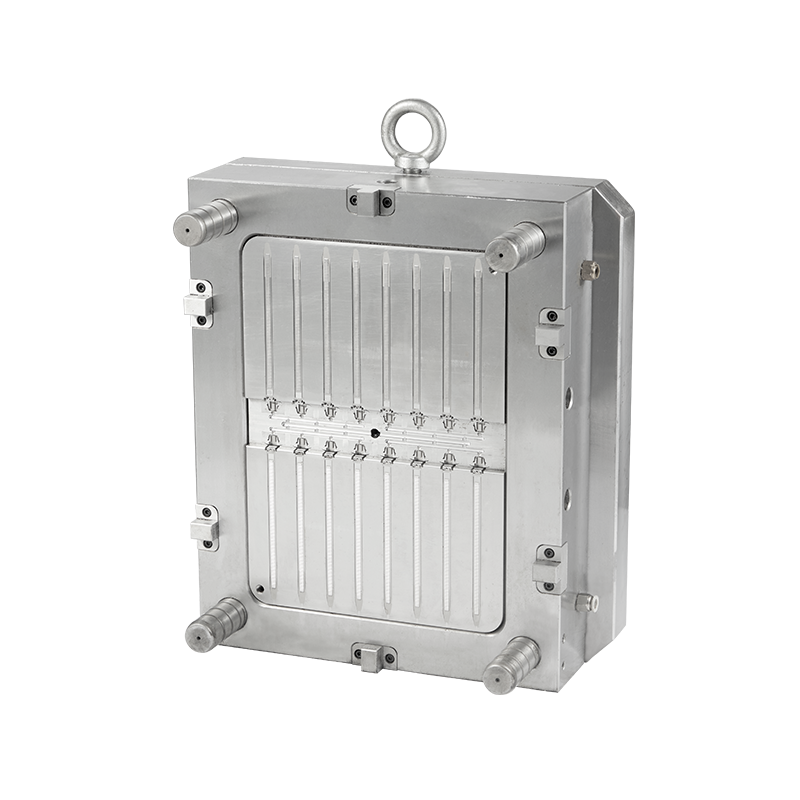
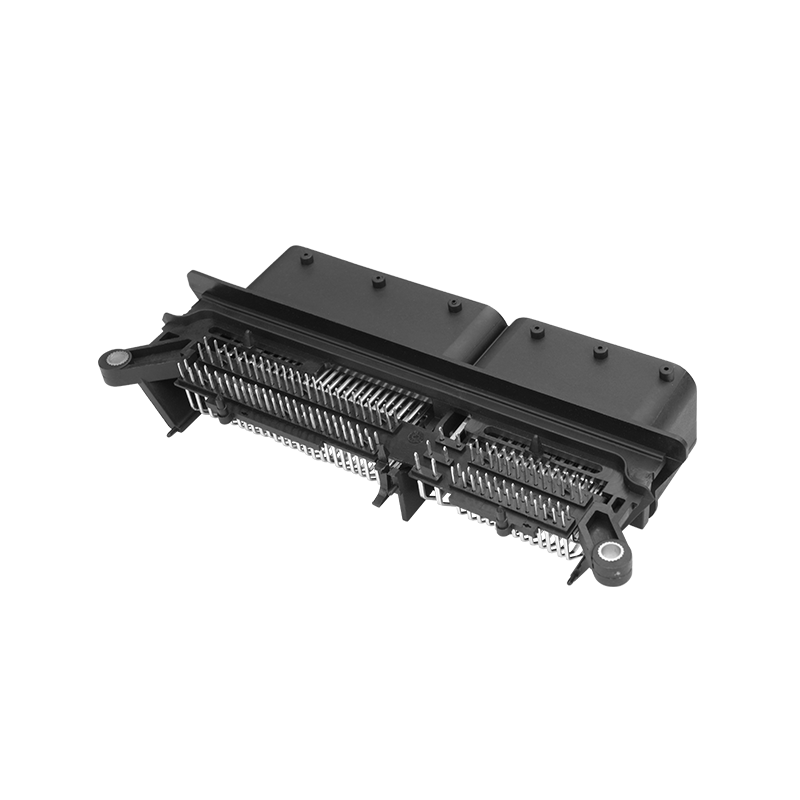
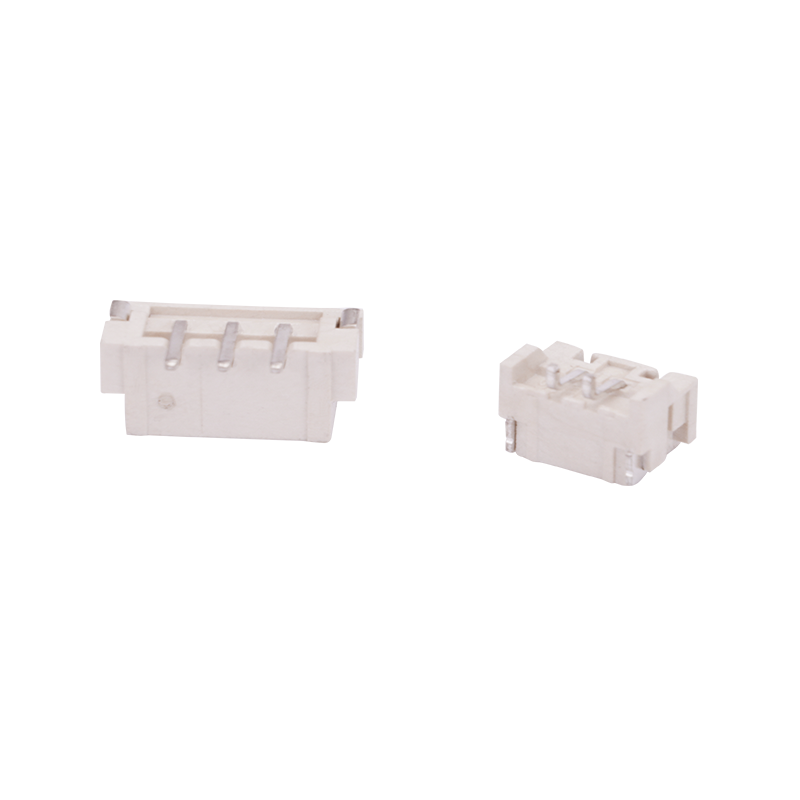
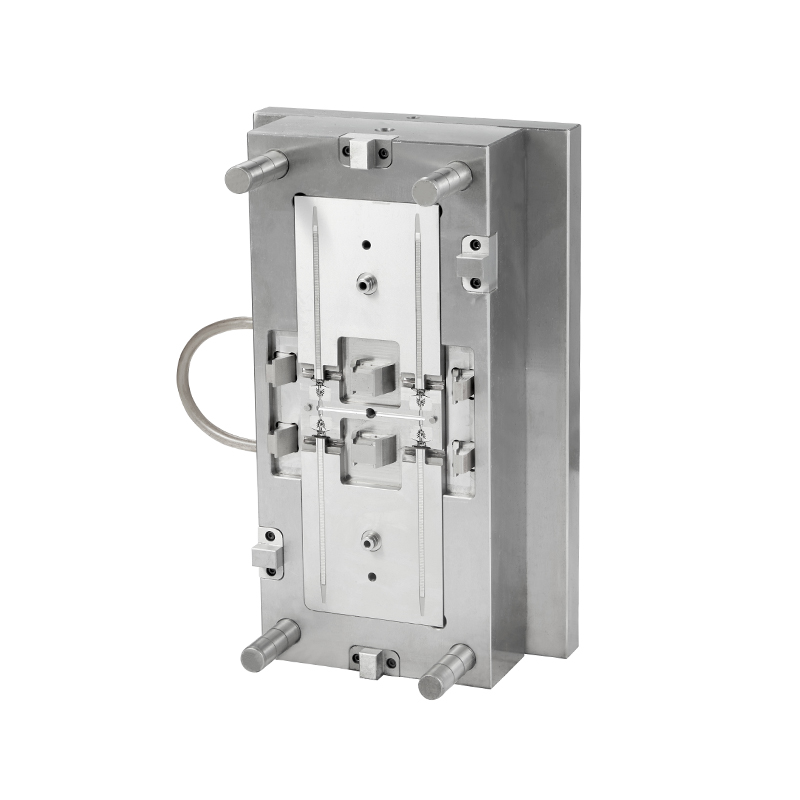
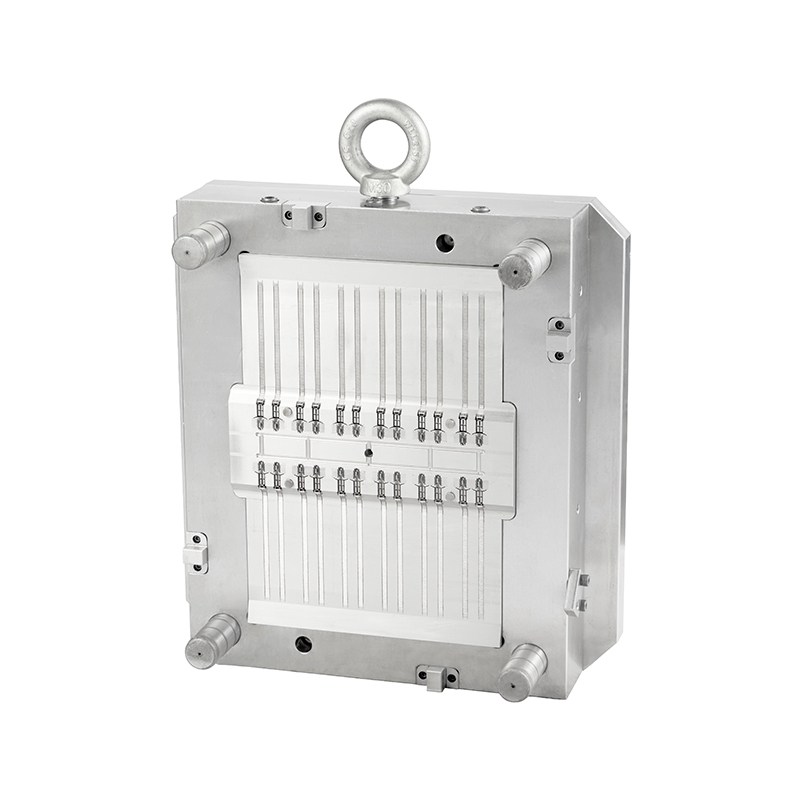
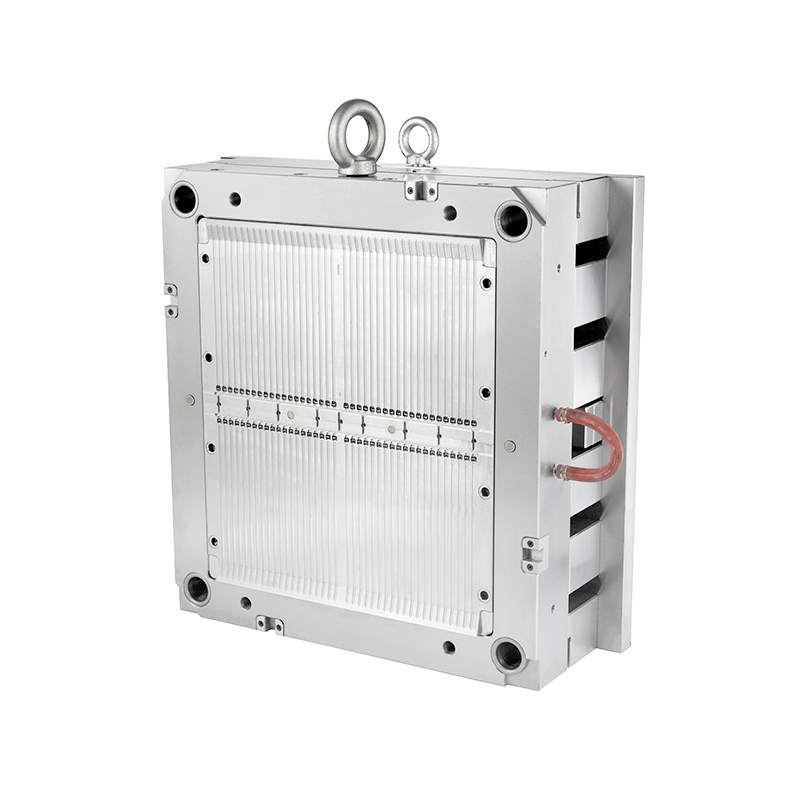
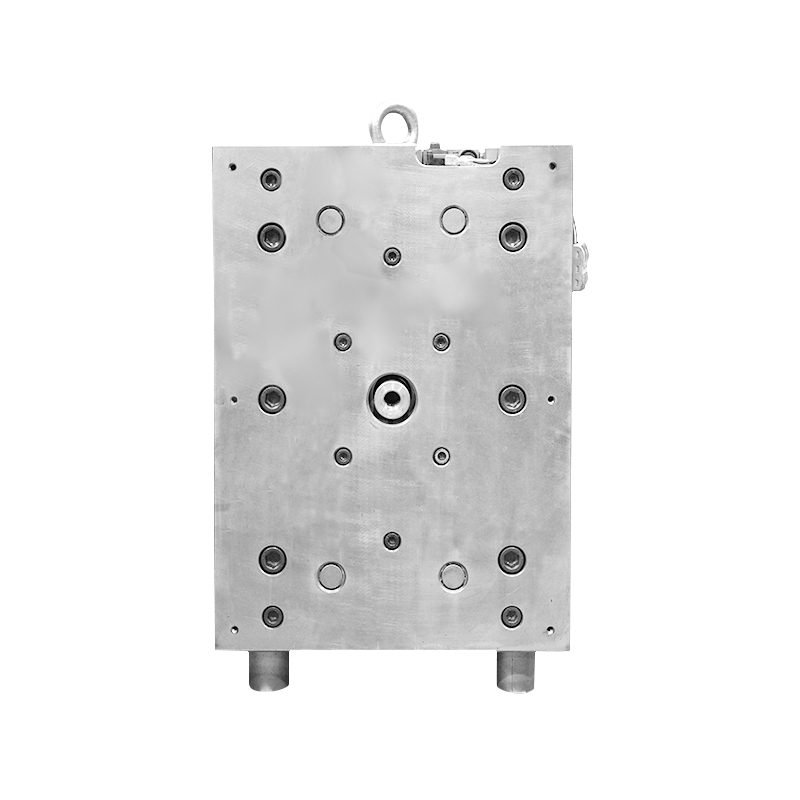
An automotive connector mold is a specialized injection mold used to produce plastic housings and components for electrical connectors. These molds are designed to achieve high dimensional accuracy because connectors must fit precisely with terminals and wiring systems.
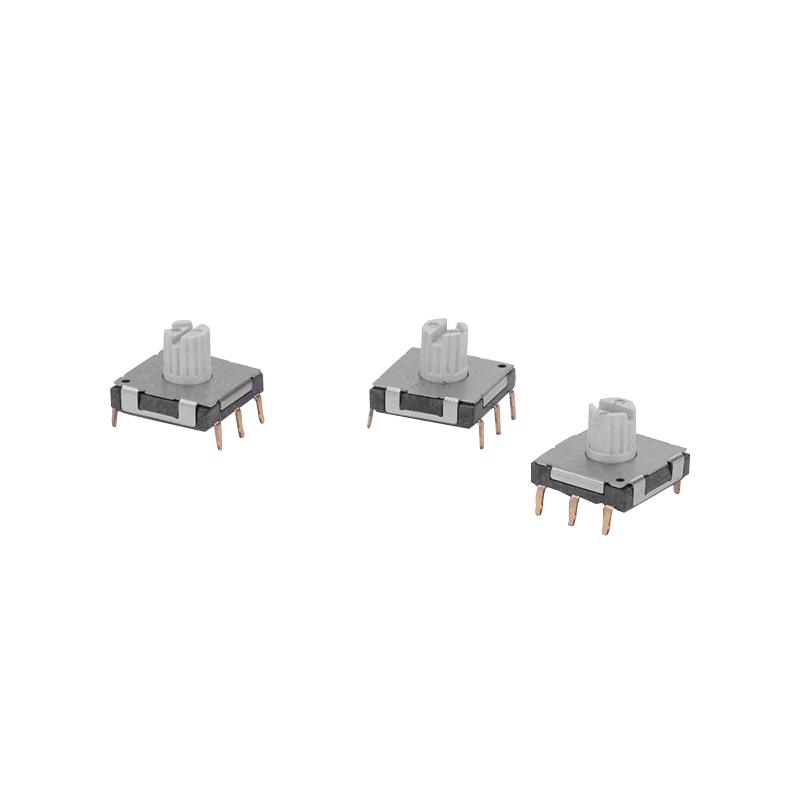
The importance of connector molds lies in the following aspects:
· Precision Requirements:
Automotive connectors often contain small and complex geometries, such as pin holes, locking mechanisms, and sealing features. The mold must ensure tight tolerances to maintain proper electrical contact and mechanical stability.
· Consistency in Mass Production:
Vehicles require a large number of connectors, and molds must support high-volume production while maintaining consistent quality across all parts.
· Safety Considerations:
Poorly manufactured connectors can lead to electrical failure, which may affect vehicle performance or safety systems. Therefore, mold quality directly impacts final product reliability.
The choice of materials for automotive connector molds affects their durability, thermal performance, and maintenance cycle. Common mold materials include:
· Tool Steels (e.g., H13, SKD61)
These are widely used due to their ability to withstand high temperatures and repeated injection cycles. They also offer good wear resistance, which is important for maintaining mold precision over time.
· Stainless Steel
Used in applications where corrosion resistance is required, especially when molding materials that release gases or when operating in humid environments.
· Copper Alloys
Sometimes used in inserts or specific areas of the mold to improve heat dissipation, which can shorten cooling time and improve cycle efficiency.
Designing an automotive connector mold requires careful attention to multiple technical factors:
· Gate Design and Flow Balance
The placement and type of gate determine how molten plastic fills the cavity. Balanced flow is necessary to avoid defects such as warping or incomplete filling.
· Cooling System Layout
Efficient cooling channels help maintain uniform temperature distribution within the mold, reducing cycle time and preventing deformation of the molded parts.
· Ejection System
Proper ejection design ensures that parts can be removed without damage. This is especially important for connectors with thin walls or delicate features.
· Ventilation
Adequate venting allows trapped air to escape during injection, preventing defects like burn marks or voids.
Improving production efficiency is a key goal in automotive connector mold manufacturing. Several methods are commonly applied:
· Automation Integration:
Using robotic arms for part removal and handling reduces manual labor and increases consistency.
· Multi-Cavity Molds:
Designing molds with multiple cavities allows the production of several parts in a single cycle, increasing output.
· Hot Runner Systems:
These systems maintain molten plastic in the runner, reducing material waste and improving cycle time.
· Simulation Software:
Mold flow analysis tools help optimize design before manufacturing, reducing trial-and-error during production.
Maintaining quality is essential due to the critical function of connectors in vehicles. Key quality control measures include:
· Dimensional Inspection:
Using precision instruments such as coordinate measuring machines (CMM) to verify part dimensions.
· Material Testing:
Ensuring that both mold materials and plastic resins meet required standards for strength and durability.
· Trial Molding (T1 Testing):
Initial mold trials are conducted to evaluate part quality and identify necessary adjustments.
· Surface Finish Inspection:
Checking for defects such as scratches, flash, or sink marks that may affect performance.
Recommended Products



 English
 中文简体
中文简体 русский