2026.04.10
 News
News
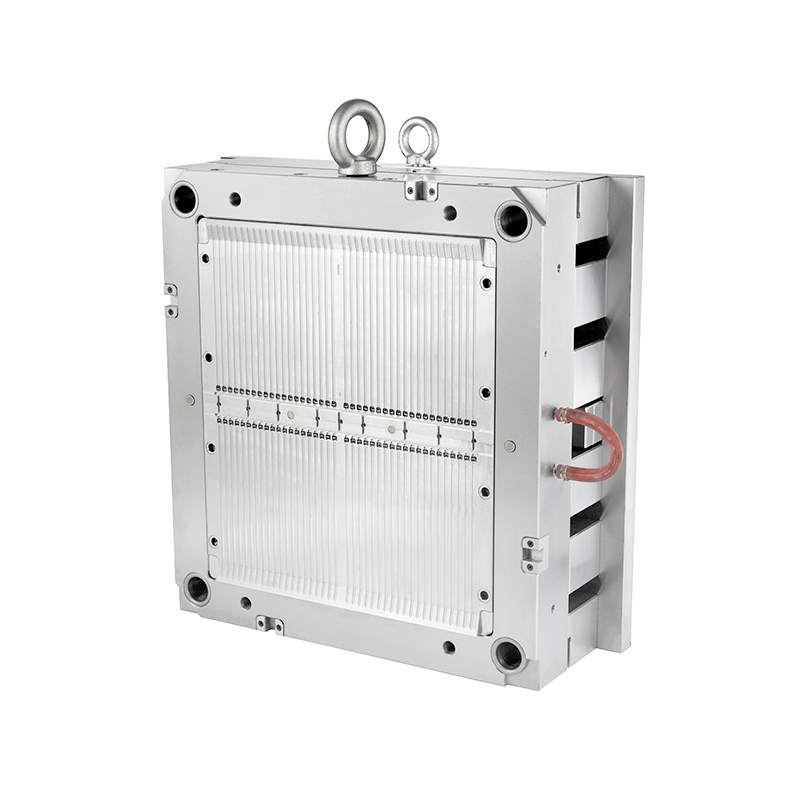
The materials selected for automotive buckle molds directly influence their longevity, functionality, and overall performance. Two commonly used materials for manufacturing molds are SKD61 and PA66. Here's a look at how these materials impact the production process:
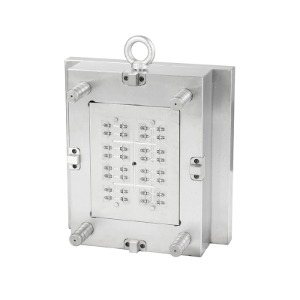
· SKD61 (Tool Steel)
Durability: SKD61 is a type of tool steel commonly used for molds that require high durability and heat resistance. Its ability to withstand high temperatures and pressures makes it ideal for automotive buckle molds, which undergo significant wear during production.
Performance: SKD61 offers excellent thermal conductivity, which helps to reduce mold cooling times and improve cycle efficiency. Its toughness ensures that it can maintain its shape and integrity over prolonged use, making it a preferred choice for high-volume production.
Cost: While SKD61 is durable, it is typically more expensive than other materials, making it better suited for high-end manufacturing applications where mold life and performance are prioritized.
· PA66 (Polyamide 66)
Durability: PA66 is a type of nylon commonly used for molding due to its resistance to wear and tear. While not as heat-resistant as SKD61, PA66 can still offer a good balance between durability and cost, making it suitable for certain automotive applications.
Performance: PA66 is known for its excellent impact resistance and high tensile strength, which are essential for components like seatbelt buckles that experience significant forces during use. However, its lower thermal conductivity compared to SKD61 may result in longer cooling times.
Cost: PA66 is typically more affordable than SKD61, making it an attractive option for mold manufacturers looking to balance performance with cost-effectiveness.
Improving the efficiency of mold production can reduce lead times, cut costs, and ensure higher output. Several methods can be employed to achieve this, including mold design optimization and automation of the production process. Below are some key strategies for enhancing production efficiency:
1. Mold Design Optimization
Use of Simulation Software: Simulation tools help identify potential issues in mold design before physical production. This enables manufacturers to optimize mold cooling channels, gate locations, and part ejection systems, reducing cycle times and improving the overall quality of the final product.
Streamlining Mold Geometry: Simplifying mold geometry while maintaining functionality can reduce production time and the need for extensive post-processing. Fewer complex features often translate to quicker cycle times and lower material usage.
Improving Mold Cooling: Efficient cooling systems are essential to reducing cycle times. Advanced cooling technologies, such as conformal cooling channels, ensure more uniform cooling of the mold, leading to faster production cycles and improved part quality.
2. Production Automation
Automated Mold Handling: Integrating automated systems for handling, loading, and unloading molds can reduce the manual labor involved and speed up the production process. Robotic arms can be used for precision part placement, reducing the chance of errors and increasing throughput.
Injection Molding Machine Automation: Incorporating advanced features such as real-time monitoring and automated adjustments of parameters like temperature and pressure can help maintain consistent part quality and optimize production time.
3. Lean Manufacturing Techniques
Eliminating Bottlenecks: By analyzing and identifying areas where delays occur, such as in the cooling phase or post-processing stages, manufacturers can eliminate inefficiencies and reduce downtime.
Standardizing Processes: Standardizing production workflows and incorporating best practices for mold maintenance and material handling can significantly improve efficiency across the entire production line.
Quality control plays a critical role in ensuring the durability, safety, and performance of automotive buckle molds. Several steps and standards are involved in ensuring that the molds meet required specifications.
· Material Inspection
Verify that materials like SKD61 and PA66 meet quality standards before they are used in mold production. This involves checking material certifications, conducting chemical analysis, and performing tests for properties such as hardness, tensile strength, and impact resistance.
· Dimensional Control
Throughout the production process, it is crucial to monitor the dimensions of the molds and the parts produced. This is typically done using precision measuring tools like CMM (Coordinate Measuring Machines) and laser scanners to ensure that the molds meet strict tolerance requirements.
· Mold Design and Functionality Testing
Once the mold design is finalized, prototype molds should undergo functionality testing to evaluate their performance. This includes assessing the mold's ability to properly form the seatbelt buckle parts, checking for defects such as warping, flashing, or misalignment.
· Inspection of Finished Parts
After the molds are used to produce buckles, each finished part must be inspected for defects. Common tests include checking the buckle's strength, flexibility, and ease of operation. Visual inspection and non-destructive testing (NDT) methods like X-ray or ultrasonic testing may also be used to ensure the integrity of the finished product.
· Compliance with Industry Standards
Automotive buckle molds must comply with various industry standards, such as those set by ISO (International Organization for Standardization) and SAE (Society of Automotive Engineers). These standards cover aspects such as safety, environmental impact, and overall product quality.
Recommended Products



 English
 中文简体
中文简体 русский